France's Macron to Visit South Korea on Two-day State Visit, AI and Trade
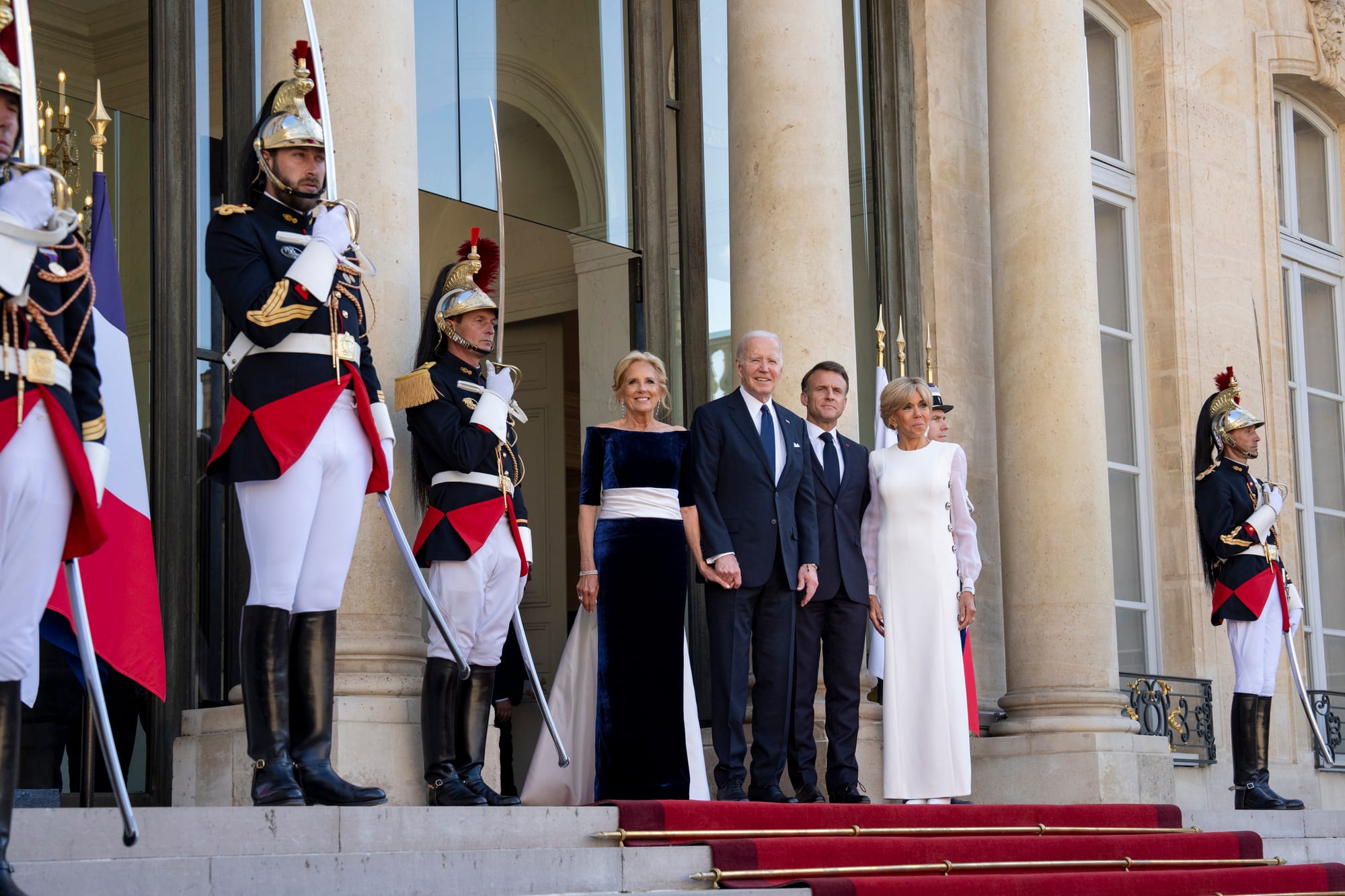
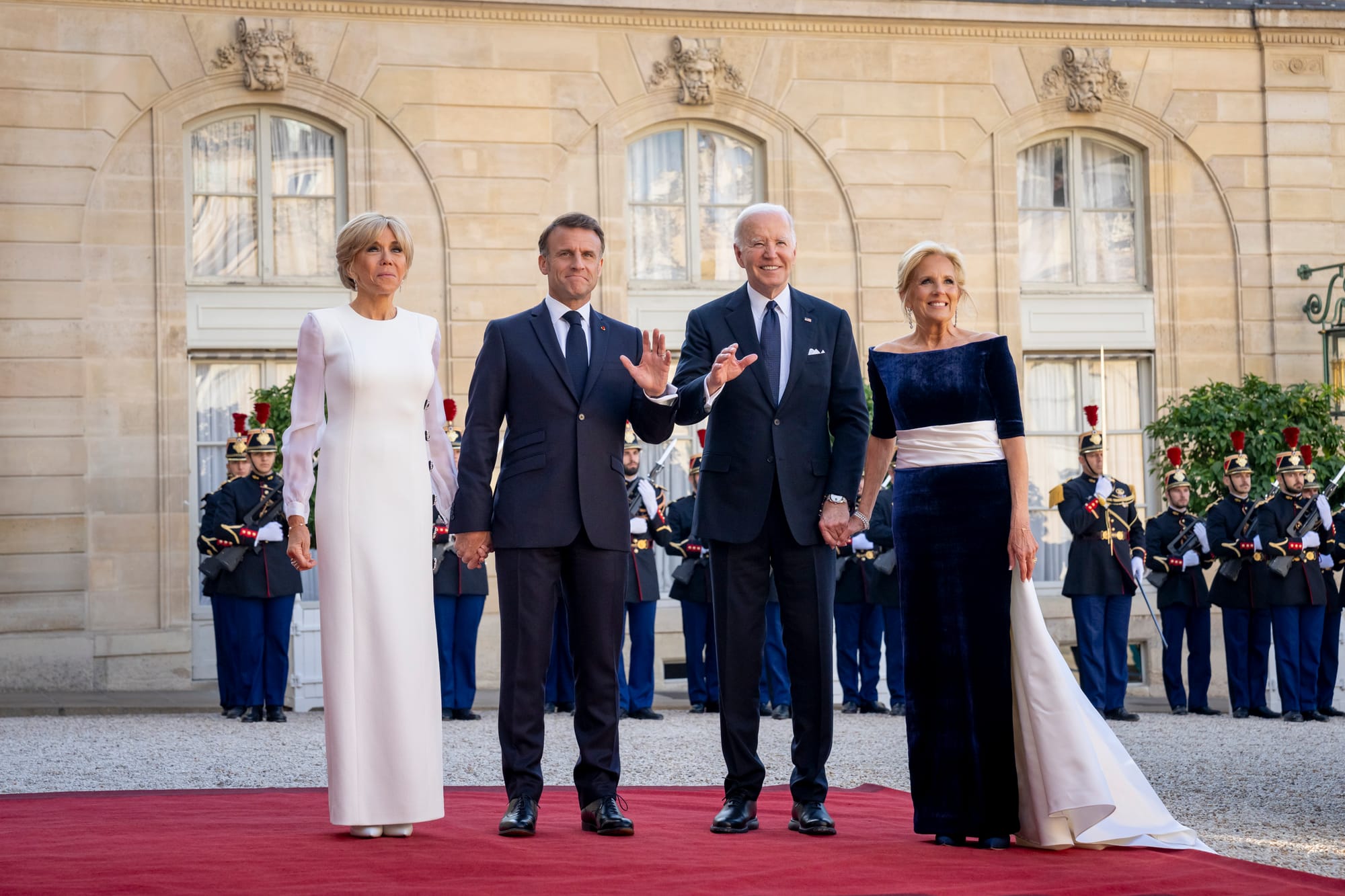
South Korea’s presidential office announced that French President Emmanuel Macron will undertake a state visit to Korea on the 2nd and 3rd of next month. It would mark the first state visit by a European leader since President Lee Jae-myung took office, and Macron’s first visit to Korea since his 2017 trip, making it the 11th year in which a French president returns to the Republic of Korea.
The two-day summit is expected to cover trade and investment and a broad agenda of advanced industries, including artificial intelligence, quantum technology, space, and nuclear power. Healthier ties in science and technology, education and culture, and people-to-people exchanges are also on the docket. Blue House officials noted that France’s status as a permanent member of the UN Security Council will shape discussions on regional security and global issues.
Indonesian President Prabowo Subianto is scheduled to visit Korea on a separate state visit from the 31st of this month to the 2nd of the following month. The two leaders are slated to meet on the first day of the visit to discuss strengthening trade and investment, and deepening cooperation in defense and the defense industry, as well as in AI, infrastructure, shipbuilding, nuclear power, energy transition, and the cultural and creative sectors.
Officials said the leaders will also discuss broader regional issues, including cooperation with ASEAN, and stability in the Middle East and the Korean Peninsula, reflecting Korea’s image as an active regional partner in both security and economic diplomacy.
The visit by Macron and the planned talks with Prabowo come as Korea aims to broaden its international partnerships beyond its traditional ties, seeking to extend influence in European and Southeast Asian markets and technology supply chains. For U.S. readers, the engagements signal potential shifts in global tech collaboration, defense industry opportunities, and energy-transition partnerships that could affect trans-Pacific trade, investment, and critical supply chains.
Separately, in Chungcheongbuk Province (Chungbuk), President Lee Jae-myung attended a town hall in Cheongju to outline governance priorities and regional issues. About 200 residents were present as the session unfolded in a format that encouraged open dialogue. This marks the 11th town hall in a series that has visited other regions nationwide, highlighting Korea’s domestic focus on local development.
The president used the forum to reiterate plans to designate Cheongju International Airport with a dedicated civilian runway, a move intended to strengthen the central inland region as a transportation and logistics hub. He also proposed developing Cheongju as an advanced-industrial city that encompasses bio, battery, and secondary battery industries, leveraging the region’s transport links—centered on Cheongju Airport and nearby Osong Station—to attract new investment.
Chungbuk’s leaders have stressed that while the province is inland, its strategic location and reinforced transport infrastructure can support robust growth. For U.S. readers, the local development angle underscores Korea’s ongoing push to decentralize economic activity and improve regional supply chains, which could influence regional manufacturing footprints and cross-border commerce in the coming years.