South Korea Egg Prices Rise as Avian Flu Spreads; Imports U.S. Eggs.
Egg prices in South Korea are climbing again, driven by a nationwide spread of highly pathogenic avian influenza and the resulting decline in laying-hen flocks.
As of March 12, the nationwide average price for a 30-egg pack stood at 7,045 won, up from 6,041 won a year earlier. Prices had lingered in the 7,000 won range late last year, slid to the 6,000s in January, and then moved between 6,700 and 6,800 won earlier this month. On March 11 the price was 6,713 won, and the following day it jumped to 7,045 won, an increase of 334 won.
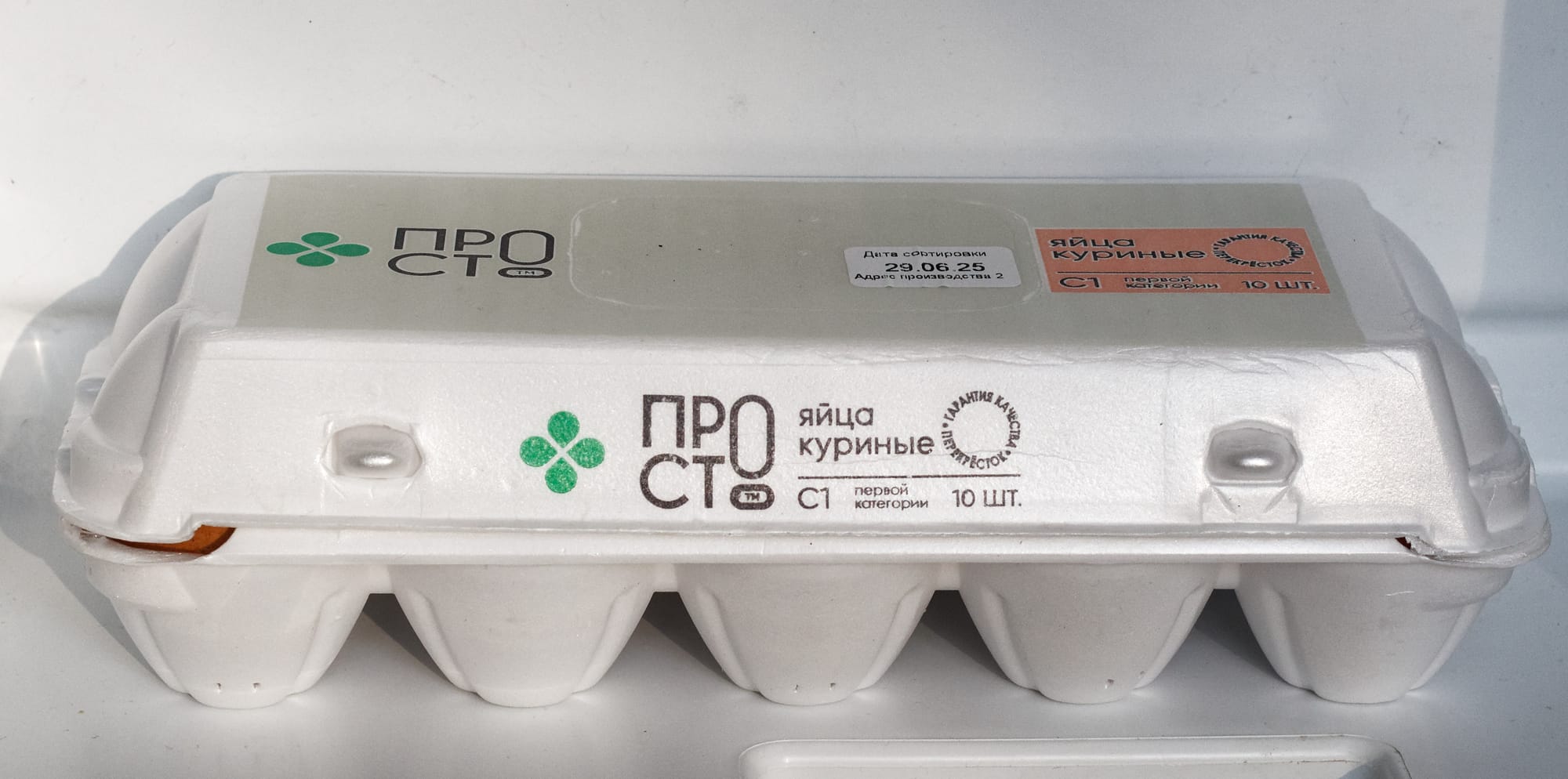
Officials say the price uptick is linked to the spread of the virus across laying-hen farms since November, which has led to the culling of nearly 10 million hens. The Agriculture Ministry projects March’s daily egg production will fall about 5.8% from a year earlier, and it cautions that further outbreaks could occur as migratory birds arrive during the seasonal northward movement.
To stabilize prices, the government has imported fresh eggs from the United States. In January, it supplied 2.24 million U.S. eggs; on March 6 it imported another 1.12 million eggs, and a total of around 3.59 million more eggs are slated for import in the current and coming months. The measure marks the first government use of fresh-egg imports to steady prices since January 2024.

In parallel, retailer News: Homeplus announced that it secured 28,000 trays from the imported stock and will start selling them nationwide from March 16 at major supermarkets and some Homeplus Express outlets. Each tray is priced at 5,790 won, down about 200 won from January; sales will be on a first-come, first-served basis, with a limit of two trays per person.
Why this matters beyond Korea: egg prices and poultry supply are global concerns tied to disease outbreaks, feed costs, and trade policy. Korea’s use of U.S. egg imports to tamp down domestic prices highlights how animal-health shocks can trigger cross-border responses and ripple through food markets. For the United States, the episode underscores ongoing demand for poultry exports when foreign markets face supply disruptions, and it illustrates how foreign governments deploy strategic imports to stabilize consumer prices. The situation also reflects broader risks to regional food supply chains as seasonal wildlife movements heighten the potential for further outbreaks.