South Korea Enforces Judicial Reform as Two Top Judges Face Law Distortion Charges
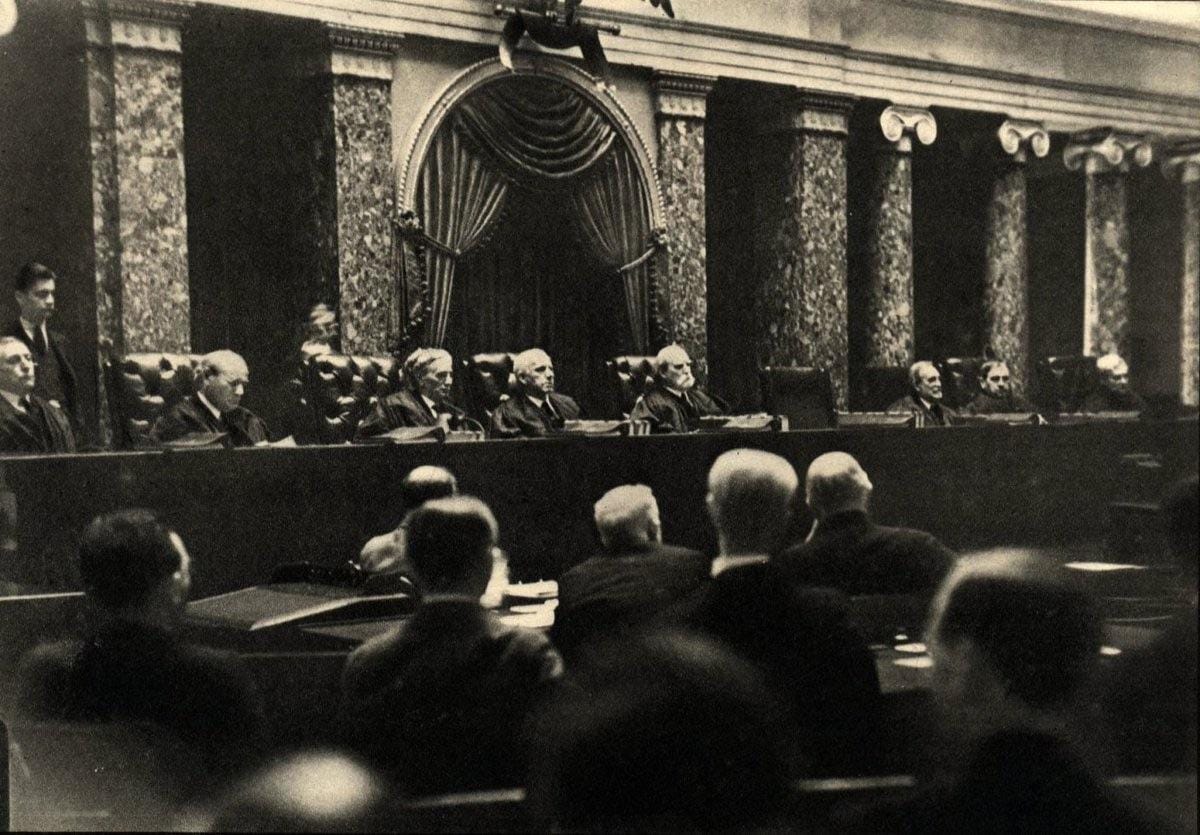
On the first day of enforcement of South Korea’s three judicial reform laws, two top judges were named as defendants under a newly created offense: law distortion. Chief Justice Cho Hye-dae and Supreme Court Justice Park Young-jae were the first to be targeted under the provision.
The charge stems from last May, when the Supreme Court remanded a case involving President Lee Jae-myung’s alleged election-law violations with a guilty verdict, allegedly distorting the Criminal Procedure Act in the process.
The complaint was filed by attorney Lee Byung-cheol, who argued that reviewing about 70,000 pages of case records in nine days for a full court panel was practically impossible on paper, and that the judges deliberately violated the principle of written submissions.
Police assigned the case to the Yongin Western Police Station in Gyeonggi Province.
The offense of law distortion carries a penalty of up to 10 years in prison and up to 10 years of disqualification from public duties if convicted.
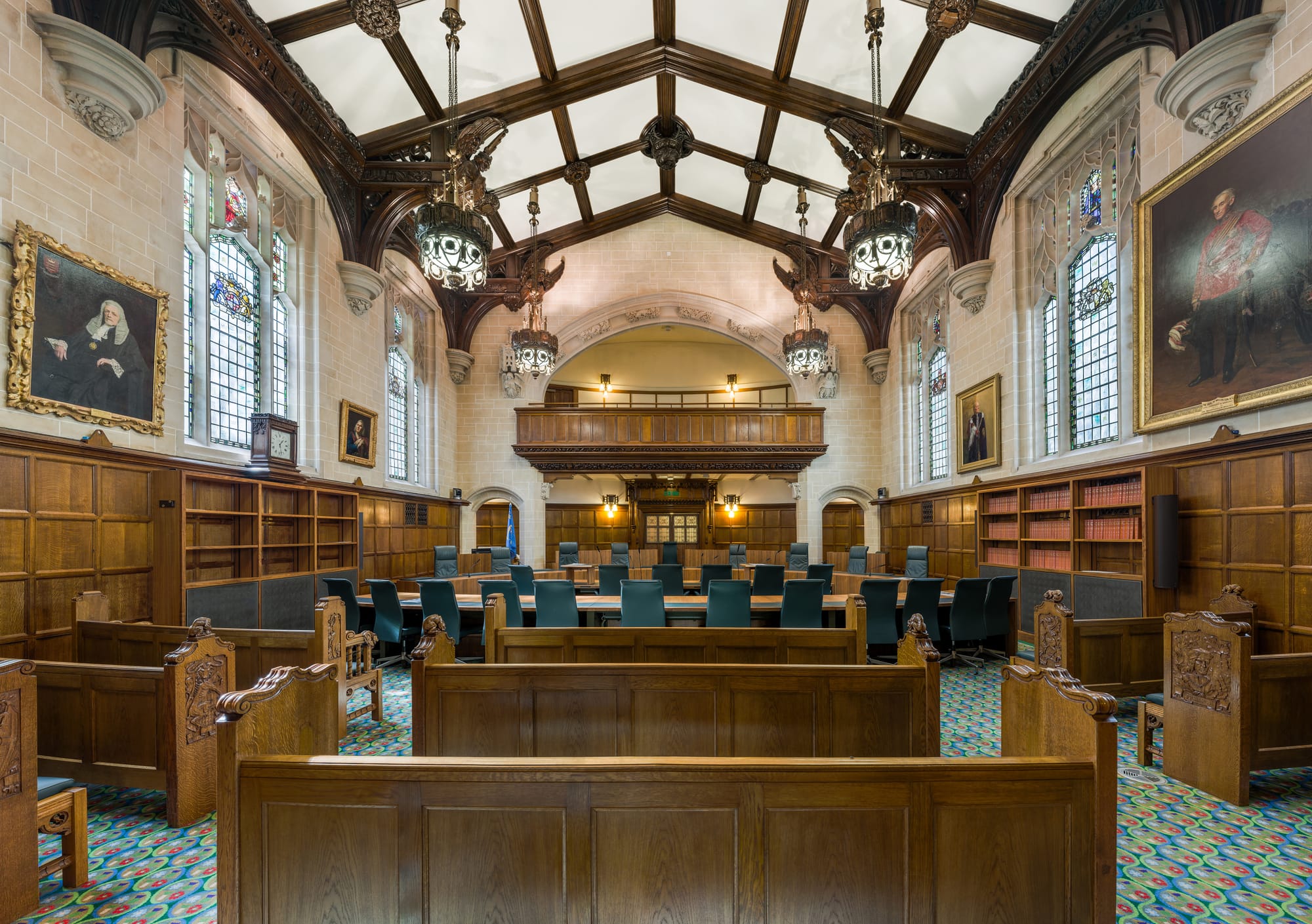
As of 6 p.m., 16 petitions seeking the Constitutional Court’s review of Supreme Court decisions had been filed. The first case involves a Syrian national who challenged a final Supreme Court ruling on a deportation order, asking the court to overturn it.
Among the three judicial reform bills, one would increase the number of Supreme Court justices, to be implemented gradually from 2028 over three years. Officials say the changes are intended to prevent a chilling effect on judges and to provide procedures for handling cases if the Constitutional Court unsettles a Supreme Court ruling.
For U.S. readers, these developments matter beyond Korea because they touch the reliability and independence of a key regional ally’s judiciary, with implications for foreign investment, cross-border disputes, supply chains, and overall policy stability in a crucial security and economic corridor.