U.S. KC-135 Crashes in Western Iraq, Four Crew Dead; Rescue Ongoing
U.S. Central Command said on the 12th local time that one KC-135 aerial refueling aircraft was lost during a Middle East operation, described by CENTCOM as taking place over western Iraq during a named mission, “Grand Anger.” The command said the incident occurred in friendly airspace and that rescue efforts are underway.
CENTCOM later confirmed that four of the six crew members on the crashed tanker were dead, with recovery operations continuing. The statement stressed that the incident was not caused by enemy fire or a misidentification of fire.
Two aircraft were involved in the incident. One KC-135 crashed in western Iraq, while the other KC-135 conducted an emergency landing at Israel’s Ben Gurion Airport.
Social media posts circulating online show the vertical tail and other portions of the tanker that landed at Ben Gurion Airport appearing damaged, though such images cannot alone verify the full extent of the damage.
The U.S. Department of Defense had previously reported, since the start of the conflict with Iran, that 140 U.S. service members had been wounded and seven had been killed. The latest incident increased the number of U.S. military fatalities to 11.
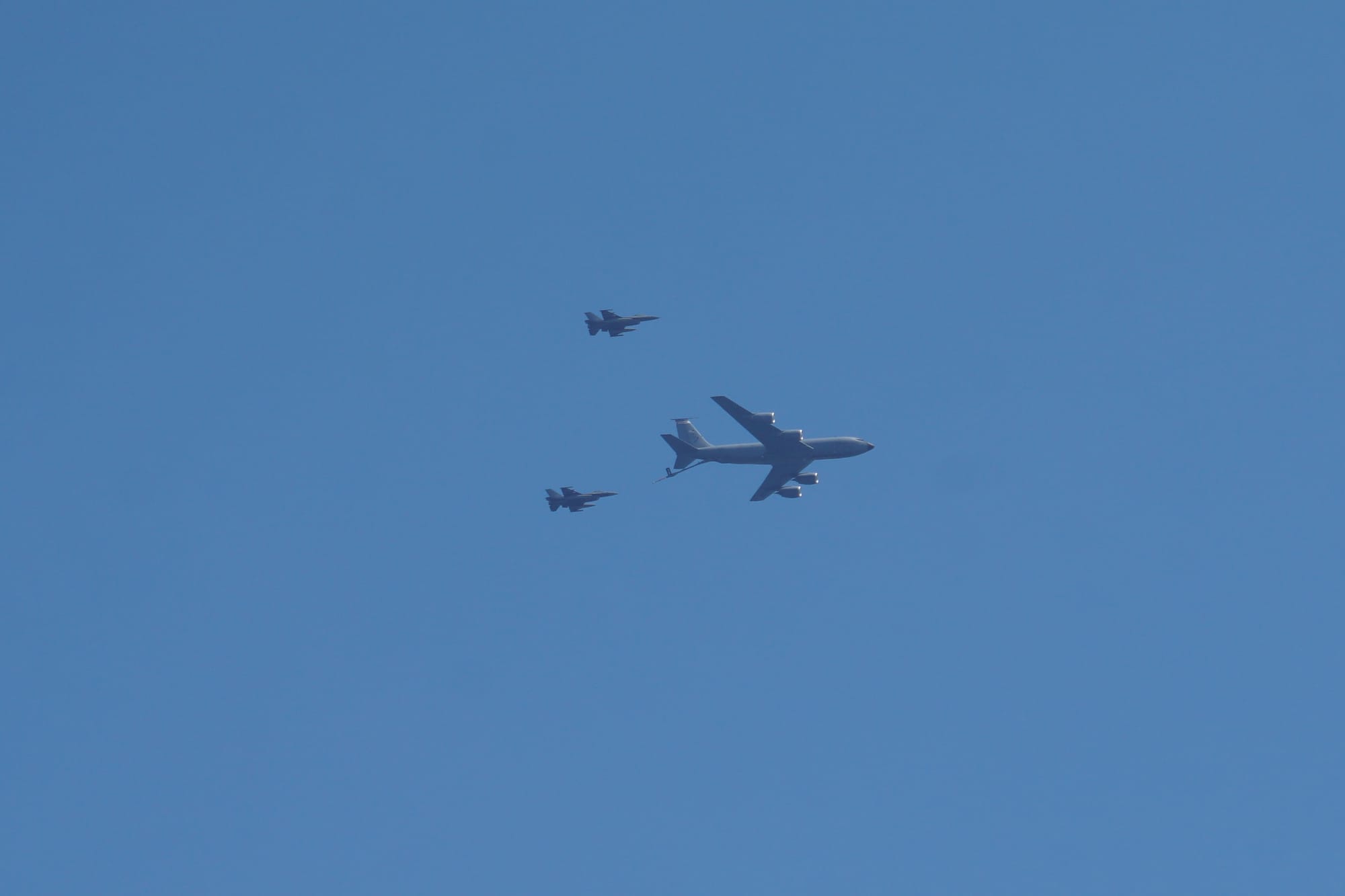
The KC-135 Stratotanker is a long-range aerial refueling aircraft that enables U.S. and allied aircraft to operate over longer distances without needing to land to refuel. The loss of such a tanker and the injuries and fatalities involved underscore the risks U.S. forces face during operations in the Middle East.
For U.S. readers, the incident matters beyond Korea because it highlights ongoing security challenges in a volatile region, potential impacts on U.S. military logistics and air operations, and the broader implications for alliance coordination with Israel, Iraq, and other partners. It also touches on how shifts in regional stability can affect defense postures, casualty figures, and the safety of air operations that underpin global military readiness.