Gwangju Biennale Opens September 5, 16th Edition, Explores Change as Artistic Practice
The 16th Gwangju Biennale will open September 5 and run through November 15 at the Gwangju Biennale Exhibition Hall in southwestern South Korea. The event’s main exhibition will feature up to 45 participating artists, with pavilion projects from about 30 institutions.
The biennale takes its title from a line in Rainer Maria Rilke’s Archaic Torso of Apollo: You must change your life. Organizers say the theme uses this lyric to explore how change can be approached as a method of artistic practice, shaping how people live and relate to power, culture, and community.
Ho Tzu Nyen serves as artistic director for the edition, joined by Park Ga-hee, Brian Kuan Wood, and Choi Kyung-hwa as curators. They spoke in Seoul on September 13 to outline the festival’s scope and aims.
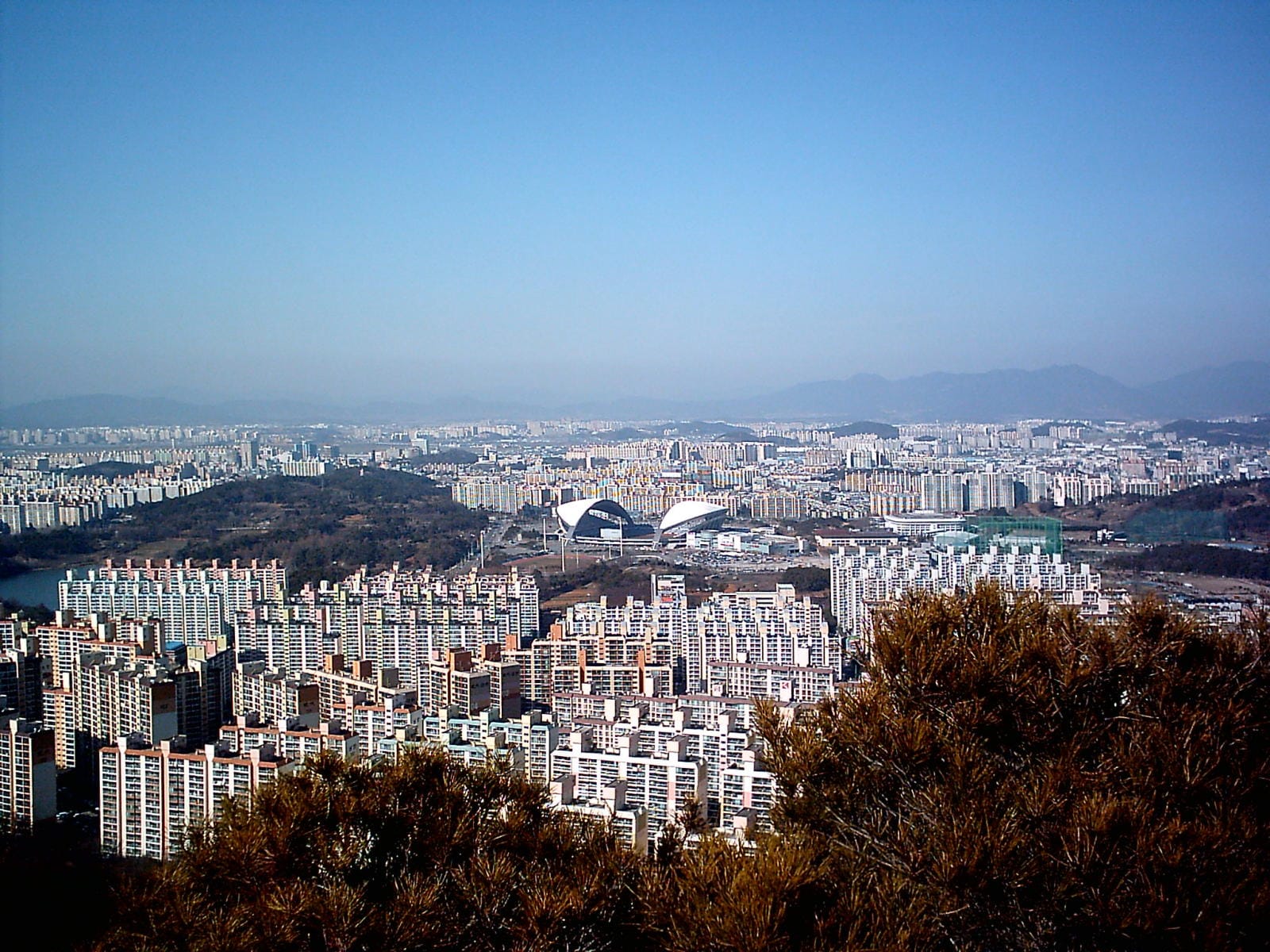
Ho Tzu Nyen described the program as a journey through varying scales and paces of change, noting that Gwangju’s history of democratic struggle gives the city a potent context for the theme. He said the focus would be on depth and density rather than expanding the event’s size.
A defining feature of this edition is its condensed format: the organizers say they are prioritizing depth over breadth, with a tighter roster of artists and a broad network of pavilion partners. The emphasis is on sustained, coalesced encounters rather than a single large-scale event.
Among the works announced are a GB Commission project by Kwon Byung-joon and Park Chan-kyung, a sound installation built from metal donated by citizens and rooted in communal rituals. Jacqueline Kiyomi Gook will present an installation combining air structures with multi-channel sound, while Nam Hwa-yeon examines women’s faith and bodily practices during late Joseon Korea’s reception of Western learning.
The festival’s organizers say the exhibition will test whether art, through repetitive, practiced effort, can help recalibrate global perspectives and respond to social and political change. They describe the biennale as a space to explore art’s capacity for resilience and renewal in everyday life.
For U.S. audiences, the Gwangju Biennale matters as a high-profile gateway to Korea’s vibrant contemporary art scene and its growing role in global cultural diplomacy. The event highlights cross-border collaboration among artists, curators, and institutions, and it signals potential opportunities for American museums, galleries, and collectors to engage with Korean and regional artists through commissions, exchanges, and joint projects.
Gwangju, home to Korea’s pivotal 1980 democracy movement, has long positioned its biennale as a platform for critical discourse and experimentation. As global museums seek new voices in contemporary art and the Asia-Pacific region strengthens its cultural networks, the 16th edition of the Gwangju Biennale offers a snapshot of Korea’s evolving art ecosystem and its connections to international markets and ideas.