USTR Opens Section 301 Probe on Forced Labor in South Korea, 60 Partners.
The U.S. Trade Representative’s office has opened Section 301 investigations into about 60 trading partners to determine whether foreign governments have taken adequate steps to curb forced labor in imported goods. The aim is to determine if such products should be restricted entry into U.S. markets.
The list of partner countries includes Korea, China, Japan, the European Union, the United Kingdom, Canada, and Australia, among others. The inquiry will assess whether foreign actions to prevent forced-labor products entering the market have been sufficient and how gaps could affect American workers and businesses.
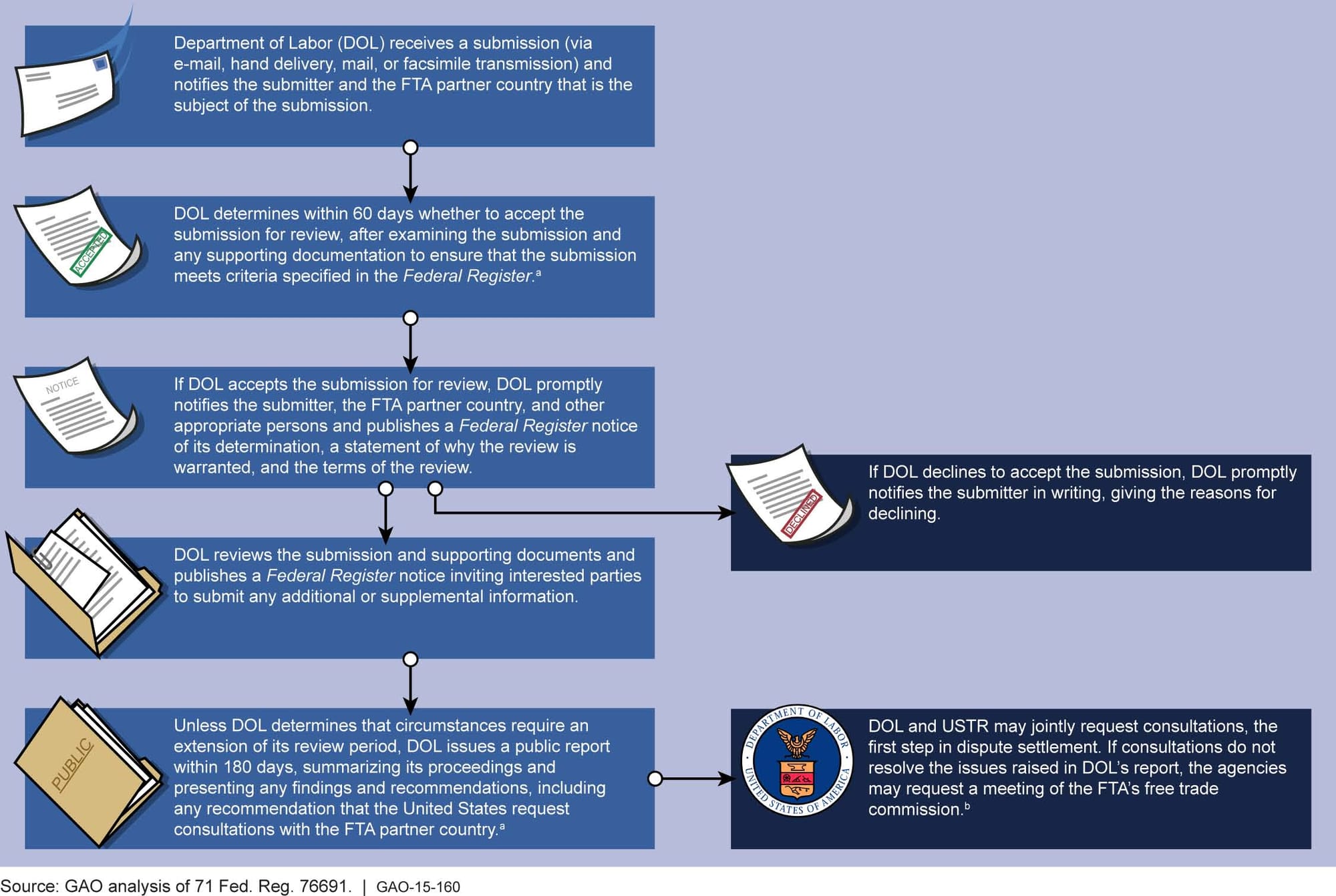
USTR said it has requested consultations with the affected countries. A public hearing is planned for the 28th of next month, and written comments and requests to appear at the hearing are due by the 15th of next month.
The announcement follows a related move the day before, when USTR disclosed investigations under Section 301 into 16 other economic actors. The broader push underscores Washington’s intensified focus on labor standards in global supply chains.
The background note also references last month’s U.S. Supreme Court ruling that the reciprocal tariffs imposed under the International Emergency Economic Powers Act were unlawful. That ruling could influence how the United States uses tariffs in retaliation or leverage in trade disputes.

For U.S. readers, the developments matter because forced-labor enforcement can affect the cost and availability of consumer and industrial goods—from textiles to electronics—while shaping corporate compliance requirements and supplier choices. The actions also carry implications for allies and competitors in technology, manufacturing, and global markets.
Context and definitions help explain the stakes: Section 301 of the Trade Act of 1974 authorizes the USTR to investigate and respond to foreign trade practices that burden or restrict U.S. commerce, including by imposing tariffs. The International Emergency Economic Powers Act gives the President authority to regulate international commerce in national emergencies. How these tools are used can influence supply chains, pricing, and U.S. policy toward key partners.