Colon cancer among cancers rising in under-50s, global study finds
A new international analysis of cancer data across 204 countries finds a notable rise in cancers among people under 50. The study, which examined incidence from 2000 to 2017, identified 13 cancers that increased in the under‑50 population in at least 10 countries. Among these, six cancers—including colon cancer, cervical cancer, pancreatic cancer, prostate cancer, kidney cancer, and multiple myeloma—showed faster growth in younger people in at least five countries, with colon and cervical cancers also recording higher mortality in the young.
Researchers note that about 10 percent of colon cancer patients worldwide are under 50, and projections suggest a substantial rise in younger adults by 2030: incidence among ages 20–34 could jump by about 90 percent, while among ages 35–49 it could rise by roughly 46 percent.
A British health publication cited rising colon cancer among younger Britons and highlighted practical risk‑reduction steps, including limiting red and processed meat. A gastroenterologist quoted in the report said public health guidance to keep red and processed meat intake to a daily level around 70 grams reflects a pragmatic, evidence‑based approach, given that complete avoidance is not always possible. He warned that higher intake and more frequent consumption increase risk.

Dietary guidance in the report underscores the benefits of a Mediterranean‑style diet and high fiber intake. Fiber, found in vegetables, nuts, legumes, and whole grains, is not absorbed by the body but supports regular bowel movements and reduces exposure to potentially harmful toxins. When gut bacteria ferment fiber, they produce short‑chain fatty acids that may help prevent cellular changes linked to cancer.
Regular physical activity and weight management emerge as key factors. Sedentary living is described as a major risk in several studies. A large study of about 430,000 people found that those who watched more than five hours of television daily had about 30 percent higher colon cancer risk than those who watched less. Exercise is said to reduce inflammation and oxidative stress, and some research even suggests that short bouts of exercise can alter blood molecules in ways that slow disease progression; other findings indicate exercise may be more effective than certain medications in supporting recovery from colon cancer. Overweight and obesity are estimated to explain at least part of the rise, with abdominal fat linked to insulin resistance and higher insulin production that may promote cancer.
Sleep and stress management also appear relevant. Some studies associate irregular sleep patterns with higher cancer risk, potentially through effects on the immune system. Emerging evidence suggests mindfulness and meditation may influence cancer progression, with some studies noting reduced metastatic potential in certain patients.
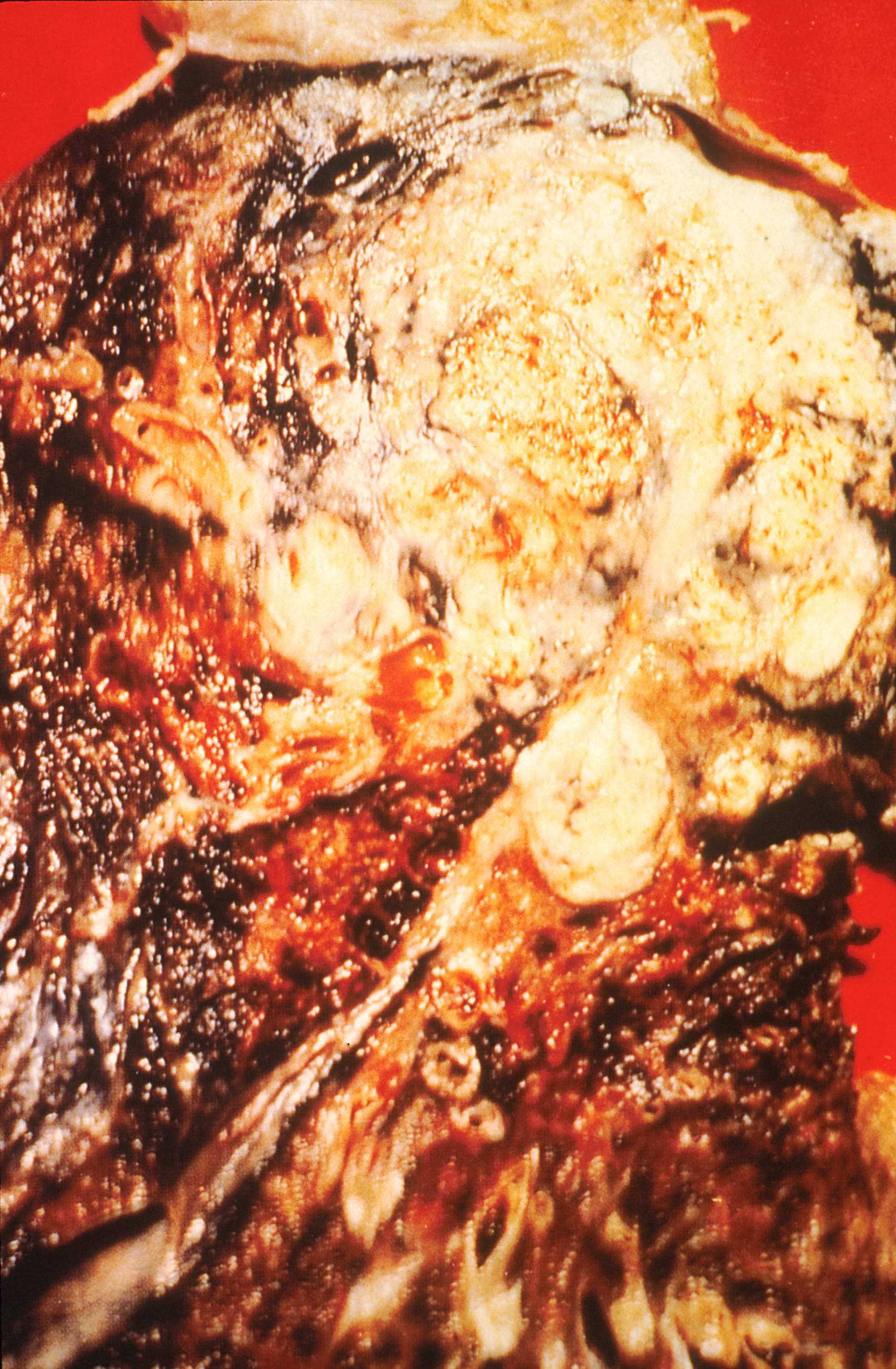
Alcohol and tobacco remain established risk factors. The World Health Organization has stated there is no safe level of alcohol for cancer risk. The report notes that heavy drinking raises colon cancer risk, citing a study in which men who consume about 500 milliliters of beer daily had roughly a 40 percent higher risk than non-drinkers. In Britain, alcohol is linked to thousands of new cancer cases annually among men, with about half of those cases involving colon cancer. Smoking is associated with higher colon polyp formation, which can progress to cancer if not treated.
Screening remains a central prevention tool. Colonoscopy is the standard procedure for detecting and removing polyps before they can develop into cancer. In Korea, national screening targets adults aged 50 and older, though medical societies increasingly advocate starting at 45 to improve early detection and outcomes.
Why this matters for the United States: the same risk factors—obesity, sedentary lifestyles, diets high in red and processed meat, alcohol use, and smoking—are prevalent in the United States, meaning the country could face a similar rise in cancers among younger Americans. The findings could influence U.S. screening guidelines, healthcare costs, and public health messaging, particularly if younger onset becomes more common. The data also underscore the importance of fiber‑rich diets, physical activity, and access to regular screening as tools to curb potential increases in colon cancer and other cancers in a large, diverse health system.