Korea Ends Eastern Rain; Weekend Cloud, Overseas Dust Dim Air, Rough Seas
Much of the rain and snow that lingered on Korea’s eastern regions has ended, and the weekend is expected to stay cloudy without new precipitation.
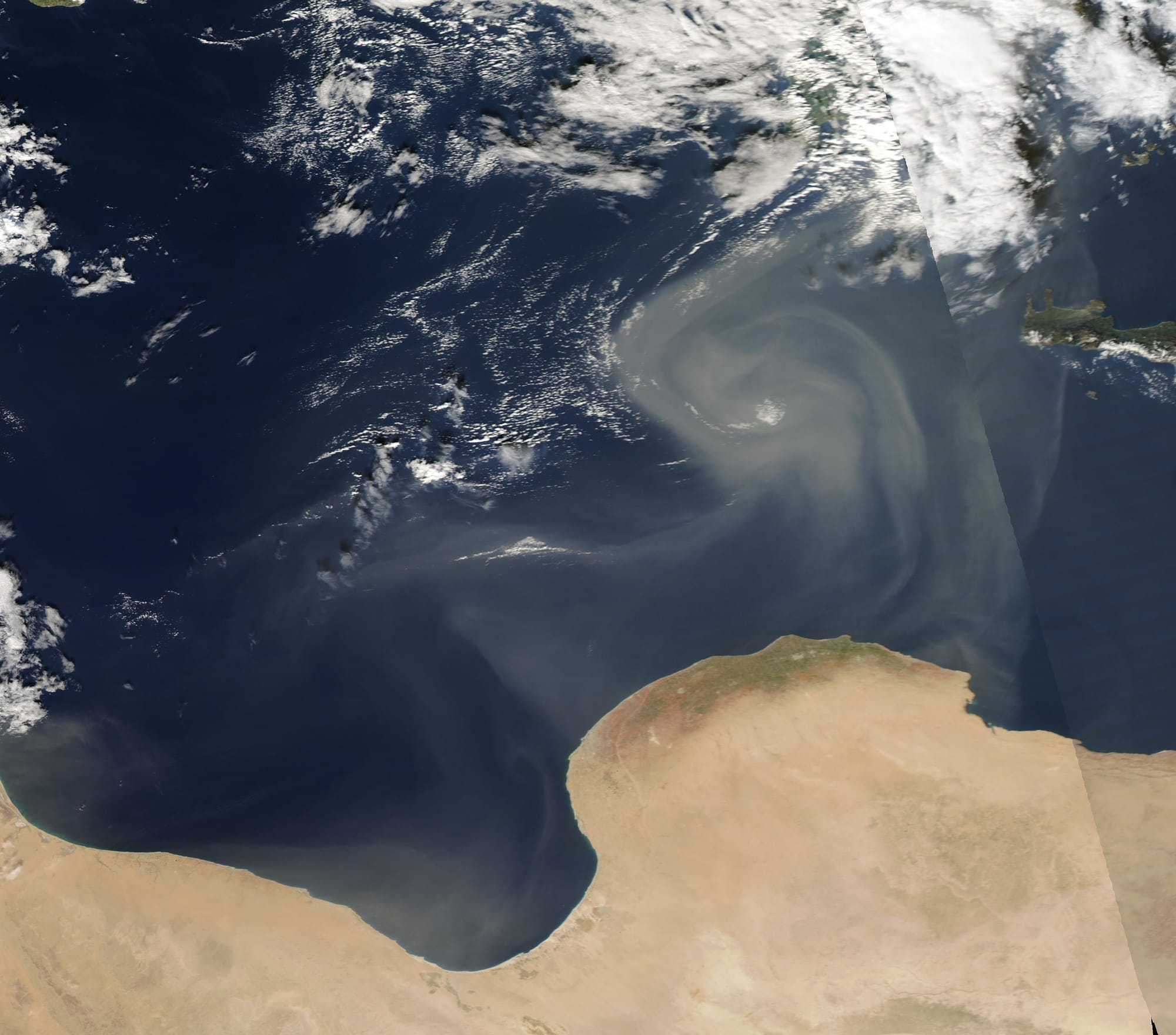
Air quality remains in the good-to-moderate range nationwide, with forecasts calling for acceptable air quality tomorrow. On Sunday, however, overseas dust is expected to drift in, causing hazier conditions and higher particulate levels in parts of the country.
Dust levels are projected to rise over the holiday, starting in the central regions, with higher readings in Gangwon Yeongdong and the southern areas in the afternoon.
Temperatures will continue to swing sharply, with chilly mornings and evenings and milder afternoons. Saturday will start cold inland, with subfreezing conditions in places, then temperatures should climb into the double digits by afternoon.
In Seoul and nearby Cheongju, morning lows are expected near 2°C, with daytime temperatures around 12°C in Seoul, Goyang, and Gangneung. The southern inland regions may see morning fog, and frost is possible in some locales. Mokpo and Changwon are forecast to start around 2°C, while Daegu and Gwangju could reach about 15°C at noon.

Coastal seas will be rough, with high waves along the East Sea and the Jeju coastline. Wave heights are forecast to reach up to about 3.5 meters for the East Sea, the southern seas, and around Jeju.
Next Wednesday, rain is expected to reach the southern half of the peninsula, including areas south of Chungcheong. The forecast emphasizes changing spring conditions across Korea into midweek.
Why this matters for U.S. readers: Korea is a critical supplier of advanced electronics components and display panels, and weather or demand shocks can ripple through global tech supply chains. Air quality shifts tied to regional dust can affect travel, health advisories, and workforce productivity in multinational operations. Additionally, rough seas along Korea’s coasts influence shipping and port activity, with potential downstream effects on trade routes and timing for goods moving to or from the Asian market.