US Tomahawk Stocks Depleted; Replenishment Could Take Years
The Financial Times, citing three sources, reports that after the United States and Israel launched attacks on Iran, stockpiles of long-range missiles and other key air-defense weapons have been drawn down to such levels that replenishment could take years. The article notes that in the war’s first 100 hours, the United States used 168 Tomahawk cruise missiles.
Tomahawks, produced by RTX, are subsonic cruise missiles with a unit cost of about $3.6 million. The U.S. has purchased 322 Tomahawks in the last five years, including 57 for the Navy in fiscal 2026. The recent rate of use implies that even recent procurement would not quickly restore the full pre-war inventory.

The Pentagon has disclosed that Washington and allied operations in 2024 and 2025 included at least 124 Tomahawks used against targets in Yemen and Iran’s nuclear facilities. Officials say the scale of consumption in the early phase of the conflict is extraordinary for this class of weapons.
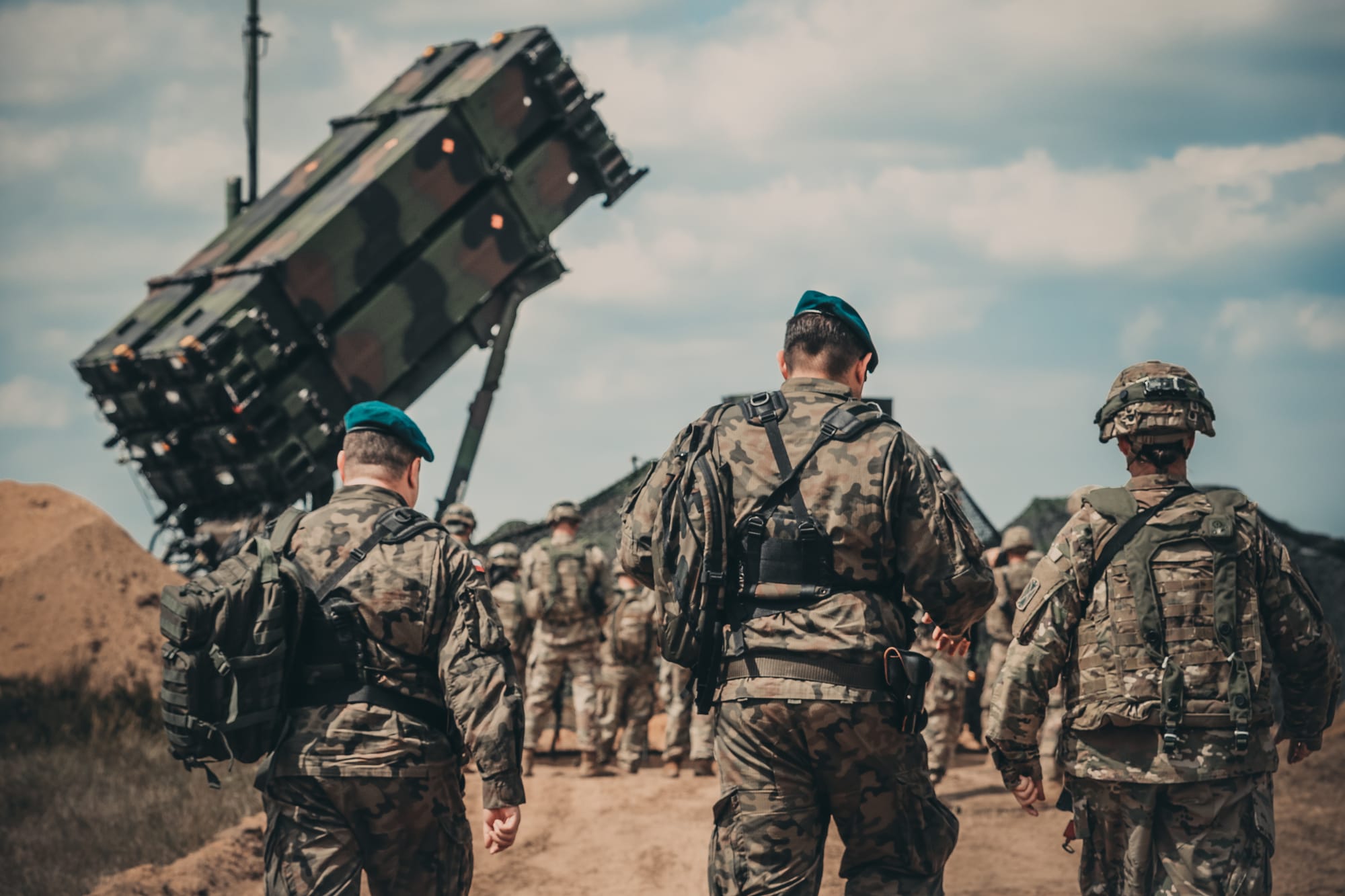
One official described the level of Tomahawk usage as having a lasting impact on Navy munitions readiness and budgeting, with effects that will be felt for years. Separately, lawmakers have warned that not only Tomahawks but also key air-defense missiles—such as THAAD and Patriot—are being drawn down to counter Iran’s missiles and drones, a depletion that could take years to replenish.
Costs are rising as the conflict continues. Defense Department officials estimate that the first six days alone cost at least $11.3 billion, largely on munitions, with a potential need for further funding. The Pentagon is expected to propose up to $50 billion in additional war funding to support ongoing operations, a figure that will later face congressional scrutiny.
Domestically, political dynamics in the United States complicate funding decisions. Republicans hold the House majority, while Democrats have questioned the legality of the war and may resist large emergency expenditures. Sen. Lisa Murkowski highlighted the need to scrutinize stock levels given the pace of consumption, signaling that oversight will be a central feature of any funding debate. Defense officials have argued that stocks were not yet exhausted and that the U.S. can sustain operations with the current mix of offensive and defensive weapons.
For U.S. readers, the episode underscores how fast munitions stocks can be depleted in extended conflicts, with implications for deterrence, alliance credibility, and the resilience of the American defense-industrial supply chain. It also raises questions about how the United States plans to replenish arsenals, the pace of industrial production, and the potential budgetary and political constraints on sustaining long-term operations in a volatile region.