South Korea enacts judicial reform, criminalizes distortions of law by judges and prosecutors
South Korea formally promulgated three so‑called judicial reform laws today, including a provision criminalizing distortions of the law by judges or prosecutors and a mechanism to seek constitutional review of Supreme Court rulings. A third reform to expand the Supreme Court’s membership will be implemented gradually from 2028 over three years. The first two provisions take effect immediately, while the court expansion is staged over time.
On the law’s first day, Chief Justice Jo Hee-dae and Justice Park Young-jae were named in a criminal complaint for alleged distortions of the law. The accusation concerns the Supreme Court’s May ruling on President Lee Jae-myung’s election-law case, in which the court remanded the matter with a finding of guilt and, prosecutors say, misapplied the criminal procedure law. Park Young-jae served as the presiding justice in that decision.
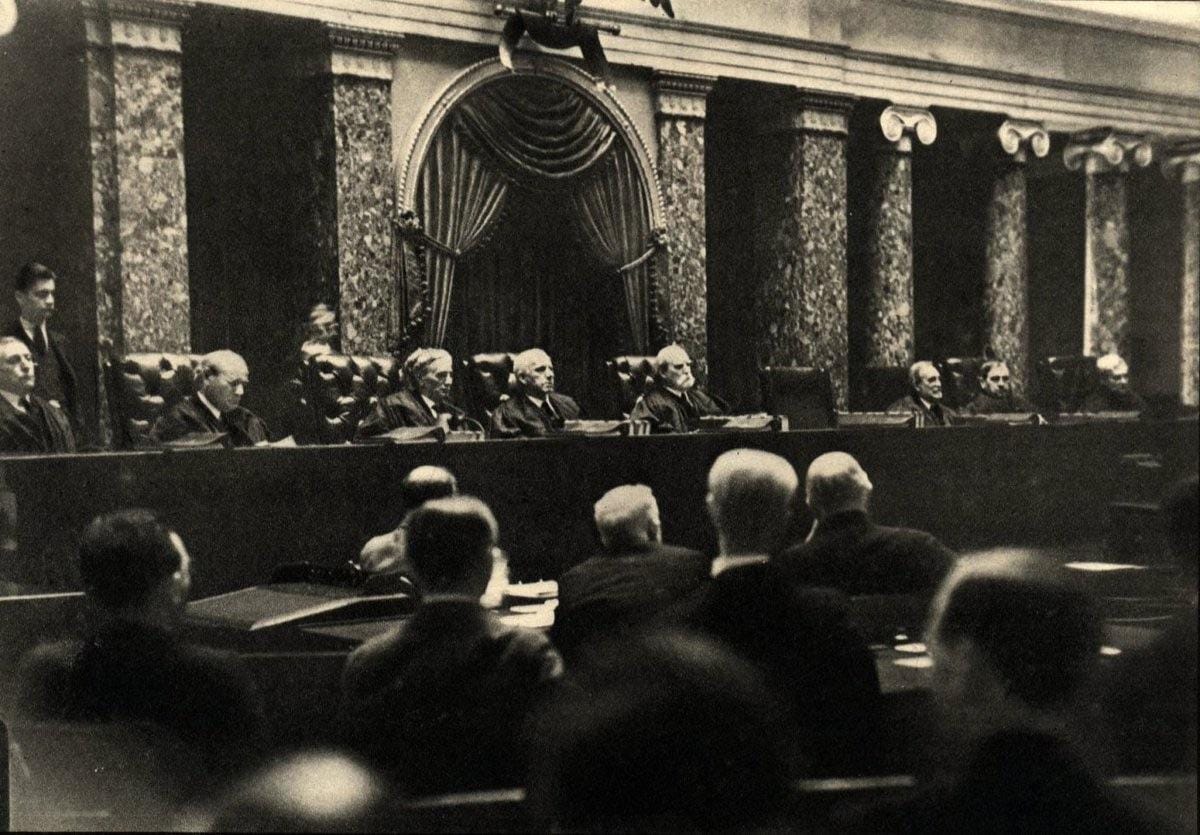
The complaint was filed by attorney Lee Byung-chul, who argues that the Supreme Court panel reviewed about 70,000 pages of records in just nine days before issuing the decision, a pace he says would be impractical to evaluate on paper and constitutes an intentional violation of the principle of written argument. The police forwarded the case to the Yongin Western Police Station for handling.
Under the new statute, the crime of distorting the law carries penalties of up to 10 years in prison and up to 10 years of disqualification from holding public office or serving as a judge. Police and prosecutors have underscored that the charge targets cases where the legal framework is applied in a way that unduly influences outcomes.
Meanwhile, 16 petitions had been filed with the Constitutional Court by 6 p.m. seeking constitutional review of final Supreme Court rulings through the newly allowed remedy. The first case involves a Syrian national challenging a Supreme Court decision to dismiss his deportation suit.
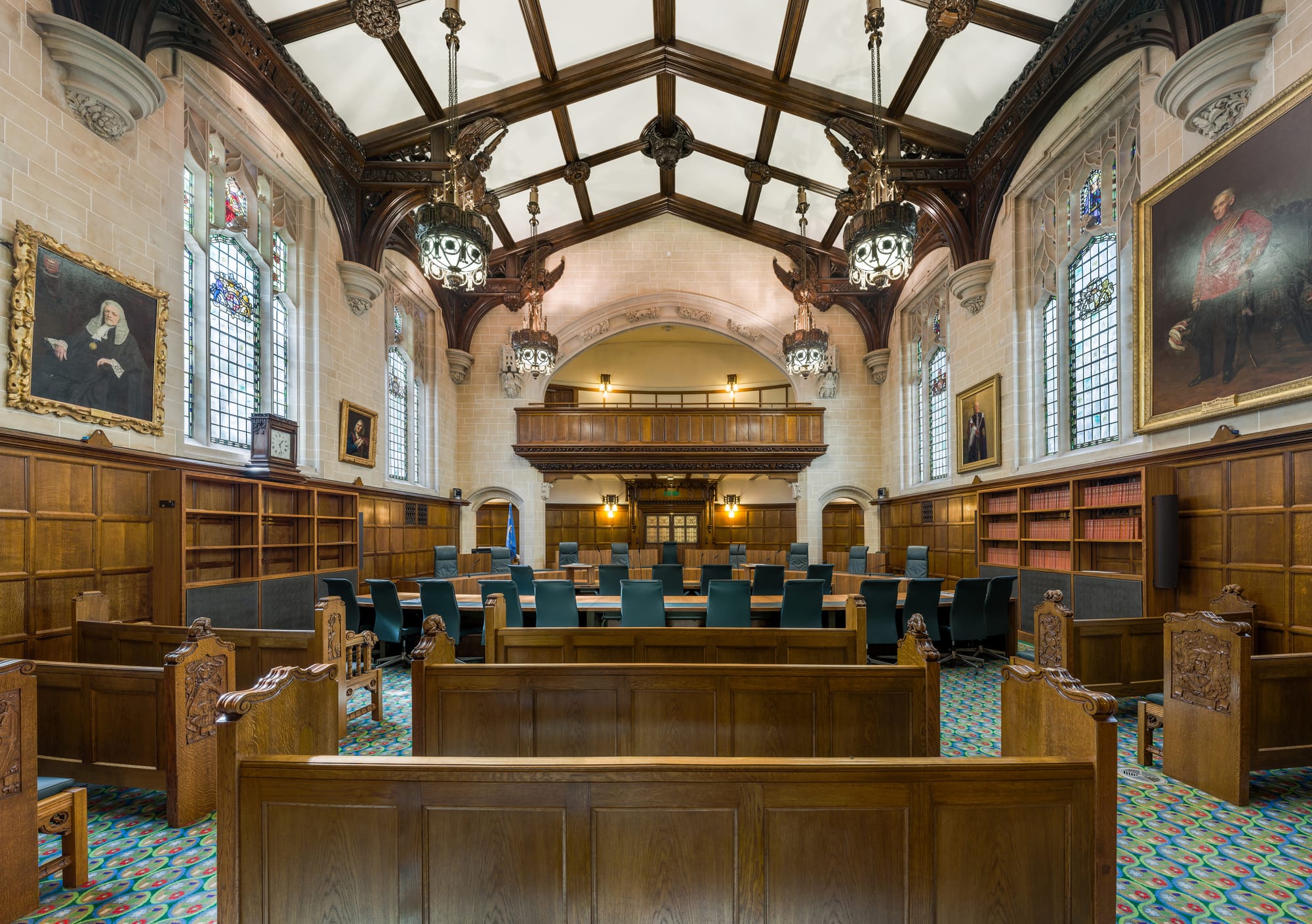
The other major pillar of the reform—the gradual expansion of the Supreme Court’s membership—will be implemented from 2028 onward over three years. Observers say the immediate priority is ensuring the judiciary’s independence and addressing procedural gaps that could emerge after high court decisions are reviewed by the Constitutional Court.
For international readers, these reforms matter because South Korea is a major U.S. ally with extensive trade, investment, and technology links. Changes to how the judiciary interprets laws, handles high-profile cases, and accommodates challenges to Supreme Court rulings can shape the risk environment for American companies operating in Korea, influence cross-border disputes, and affect regulatory expectations in areas ranging from antitrust to tech governance. The reforms also reflect broader governance debates in a key regional economy where legal certainty and judicial independence are closely watched by markets and policymakers.