Seoul Egg Prices Top 7,000 Won as Bird Flu Culling Tightens Supply
Egg prices in Seoul have climbed back above 7,000 won per carton, underscoring the ongoing impact of bird flu-driven culling on Korea’s poultry supply. The 30-egg carton averaged 7,045 won as of yesterday, up 16.6% from a year earlier when it was 6,041 won. The 10-egg pack averaged 3,902 won, a 21.1% year-on-year increase.
Prices had moved in the 6,700–6,800 won range earlier this week, then jumped to more than 7,000 won yesterday. By last month the 30-egg carton stood at 6,921 won, and it has remained well above the 6,000s since February, surpassing the 7,000-won level for the first time in about a month and a half.
Analysts trace the price pressure to the prolonged culling of laying hens caused by high-path avian influenza. For the 2025–26 winter season, culling stood at 9.76 million birds as of Jan. 11, nearly reaching 10 million and more than double the 4.83 million culled a year earlier. The number of outbreaks this winter reached 55, higher than 32 in 2022–23 and 49 in the 2024–25 season.
Industry projections suggest ongoing tightness in supply. The Korea Rural Economic Institute’s Agricultural Outlook Center expects average daily egg production to fall to 47.54 million this month, a 5.8% decline from a year earlier. Farm-gate prices for specialty eggs are forecast at around 1,800 won per unit, roughly 13% higher than the prior year.
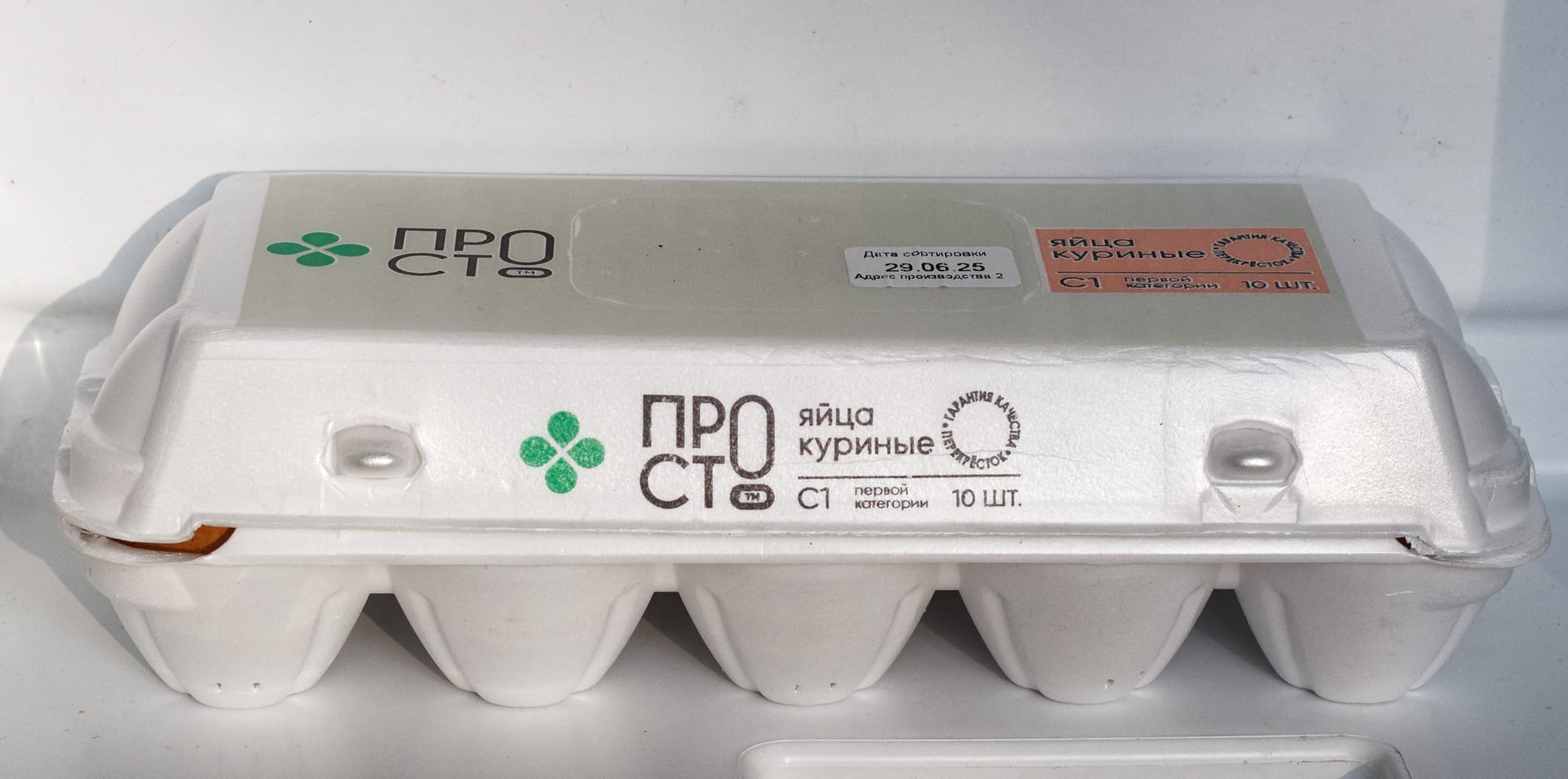
To stabilize supply, the government has imported fresh eggs from the United States, though retail prices have not yet fallen. The Ministry of Agriculture, Food and Rural Affairs says it is reviewing reports that some hatchery farmers are seeking extra payments from distributors and will consider measures to prevent recurrences.
Officials say they will present policy improvements aimed at stabilizing meat and egg prices by the end of May. The actions reflect a broader concern with food-price resilience in the face of animal-disease shocks and market volatility.
For U.S. readers, the episode highlights how persistent animal-disease outbreaks can ripple through global food markets, affecting consumer prices and trade policy. Korea’s use of imports to counter domestic shortfalls illustrates how countries balance food security with trade and regulatory measures, with implications for international supply chains and inflation in adjacent markets. It also underscores the importance of beefing up surveillance, rapid response, and market-stabilization tools in a globally connected food system.