South Korea designates new Global Festivals to attract 30 million inbound visitors
South Korea’s government has designated a new set of “Global Festivals” and “Candidate Global Festivals” as part of its push to boost inbound tourism to 30 million visitors annually. The Ministry of Culture, Sports and Tourism, in collaboration with the Korea Tourism Organization, said these festivals will be central to attracting foreign travelers.
The Global Festivals named are Boryeong Mud Festival in Chungcheongnam-do, Andong International Mask Dance Festival in North Gyeongsang Province, and Jinju Namgang Yudeung Festival in South Gyeongsang Province. Each festival is expected to serve as a flagship attraction that can draw visitors from overseas through extended marketing and local tourism packages.
The “Candidate Global Festivals” include Daegu Chimac Festival, Busan International Rock Festival, Sunchang Jangnyu Festival, and Jeongnamjin Jangheung Mul Festival. These events are being considered for elevated support and strategic development to broaden Korea’s international festival appeal.
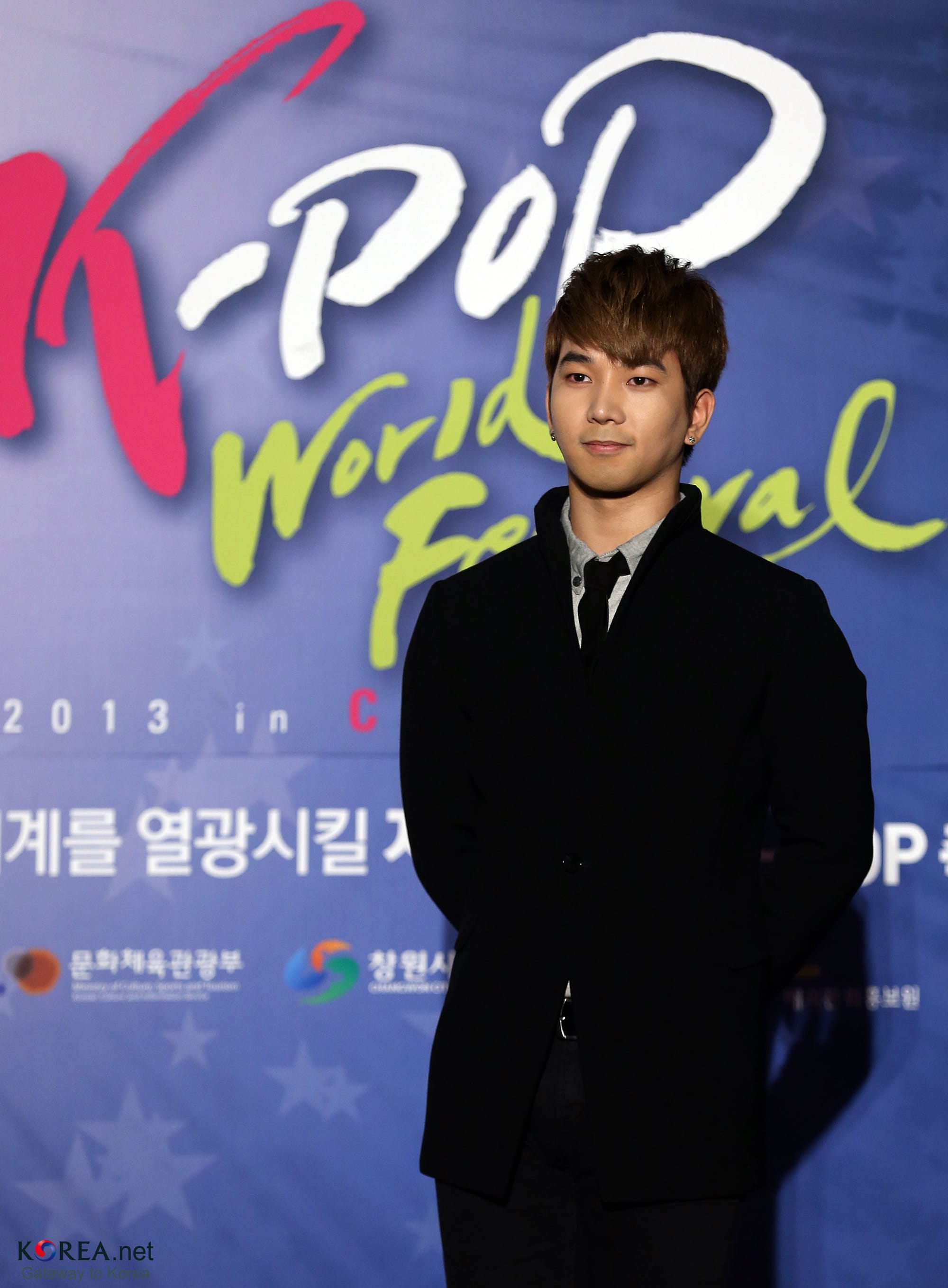
Reflecting on past results, the ministry cited earlier successes: the 2024 selections that included Incheon Pentaport Rock Festival, Suwon Hwaseong Cultural Festival, and Hwacheon Sancheoneo Ice Festival achieved about 130,000 foreign visitors in 2025. The new round aims to build on that momentum.
As for funding and scope, the plan provides up to 800 million won per Global Festival over up to three years, and 250 million won per year for each Candidate Global Festival. Support covers inbound-tourism strategy development, creation of foreigner-focused experiences, improvements to visitor-ready facilities, and coordinated international promotion.
The government also aims to expand overseas distribution channels by partnering with global platforms such as KKday and Klook, broadening how foreign travelers can book festival experiences and related activities. Promotional strategies will shift toward market-specific outreach, with experiential events staged in key international cities.
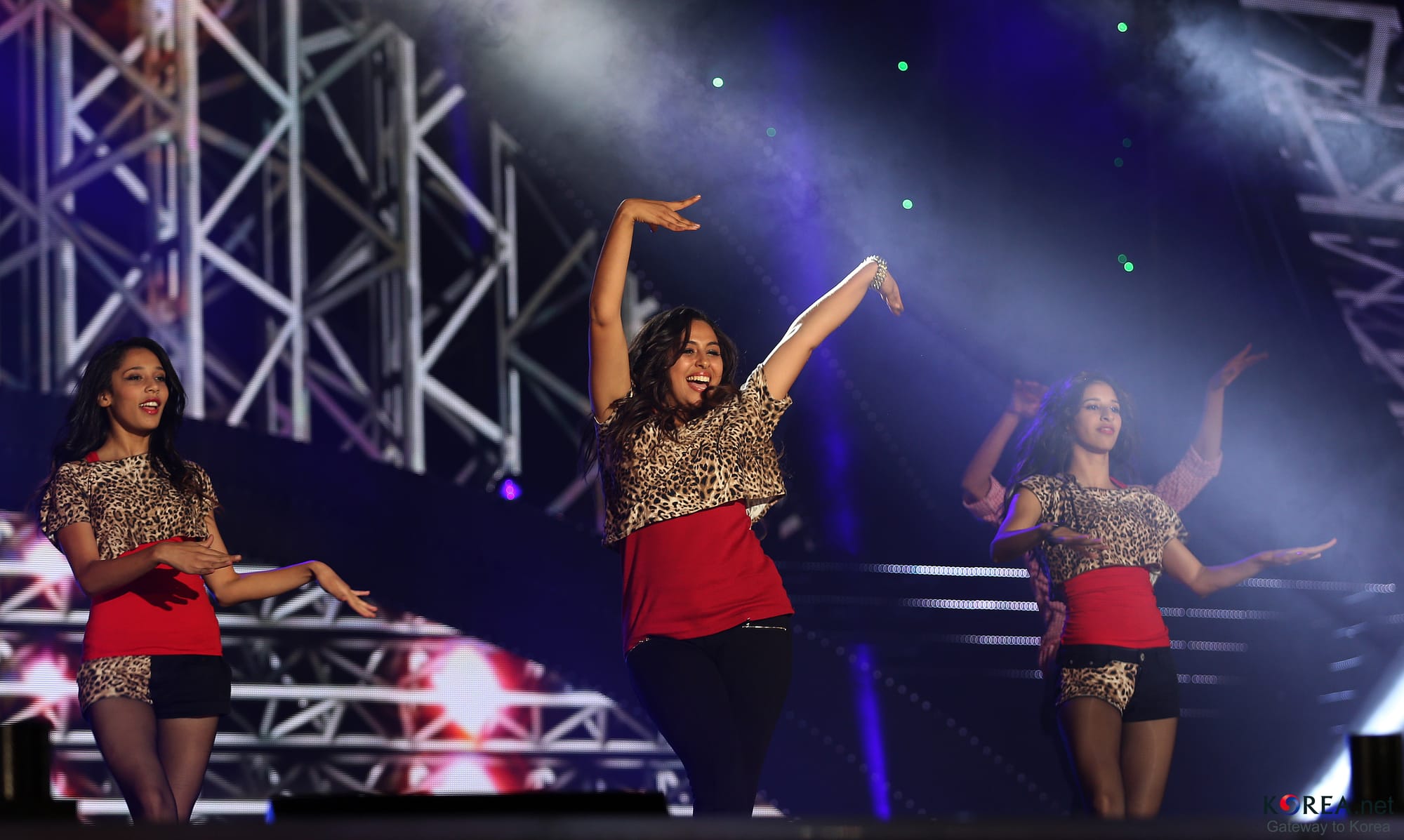
Locally, the program seeks to tie festival attendance to broader regional tourism, encouraging longer stays. Jinju Namgang Yudeung Festival will coordinate with nearby regions in Gimhae, Sancheong, and Goheung for stay-oriented itineraries, while Andong’s festival plans to link Seon-yu Fireworks and Hahoe Village experiences. Daegu and Busan festivals will aim to create allied travel products in collaboration with neighboring destinations.
Culture Minister Choi Hwi-yeong said the year marks a potential leap for Korea’s tourism, stressing that visitors should be able to directly experience Korean culture through these festivals. He framed the effort as a way to translate “K-Culture” into tangible experiences for international guests.
For U.S. travelers and businesses, the expansion of Korea’s global-festival strategy could influence travel options and competition among international carriers and tour operators. It may also create new opportunities for U.S. platforms and partners to market Korean festival experiences, while contributing to broader U.S.-Korea cultural and economic ties through enhanced tourism and content collaboration.