South Korea enacts three judicial reforms, expands Supreme Court; distorting law charge filed
South Korea on December 12 formally promulgated what government officials describe as three judicial reform measures—the Constitutional Court review mechanism (재판소원제), the crime of distorting law (법왜곡죄), and a phased expansion of the number of Supreme Court justices (대법관 증원). The laws were published in the electronic Official Gazette, taking effect immediately for the first two provisions, while the expansion of the Supreme Court is set to begin in March 2028 and proceed over three years.
On the same day, the Constitutional Court reported a surge of activity as petitions for re-trial or constitutional review were filed. By mid-afternoon, more than 10 such motions had been submitted, with the total number reaching 11 by 2 p.m. These petitions include a case involving a Syrian national (identified by a pseudonym) seeking to overturn a deportation and protection-order decision.
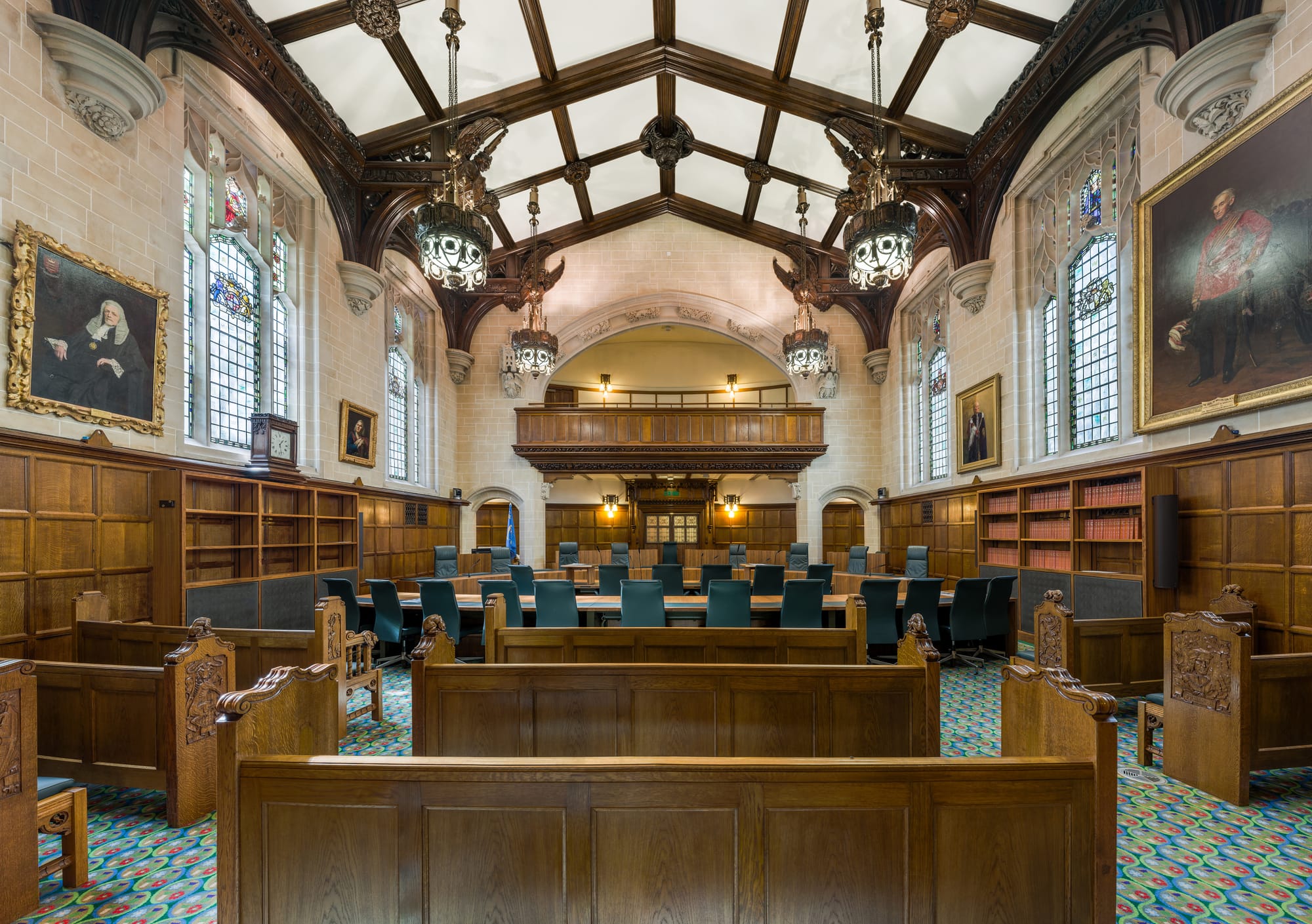
The first formal case under the newly created crime of distorting law targets the head of the Supreme Court, Chief Justice Cho Hee-dae. The accusation comes from attorney Lee Byung-cheol of the IA Law Firm, who filed a complaint under Criminal Act Article 123-2, arguing that Cho distorted the Criminal Procedure Act in a high-profile ruling related to President Yoon Suk Yeol’s alleged violations of election law. The police were notified that the complaint had been submitted, and investigators said they would proceed under standard procedures.
According to the accuser, Cho allegedly distorted the Criminal Procedure Act in the Supreme Court’s decision to overturn a guilty verdict and remand the election-law case to the Seoul High Court for further proceedings. The Supreme Court, for its part, has maintained that it did not re-litigate facts but rather applied law and legal principles to the case.
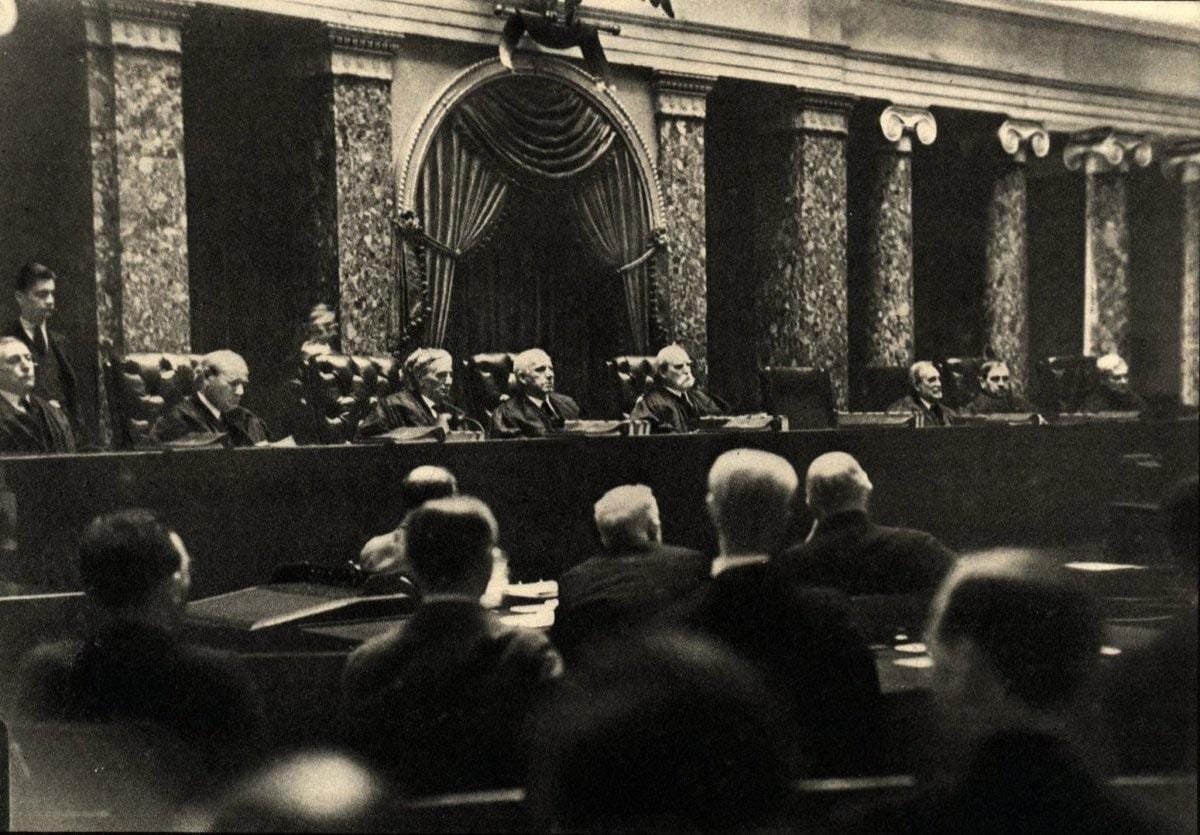
Critics abroad have argued that the reform package could expedite or politicize high-stakes rulings, especially given the rapid introduction of new mechanisms. Foreign commentary referenced the swift handling of extensive case records in past rulings as a point of concern about potential haste in judicial proceedings, though supporters say the reforms improve accountability and checks on the judiciary.
For U.S. readers, the developments matter because Korea’s judiciary plays a critical role for multinational businesses, technology firms, and supply chains operating in and through Korea. How the Constitutional Court can review Supreme Court decisions, how judges and prosecutors are held accountable for legal interpretations, and how the size of the top court is adjusted could influence regulatory clarity, risk assessment for investments, and the handling of major corporate or securities matters that touch Korean markets and regional supply chains.