U.S. KC-135 crash in western Iraq during Epic Fury; no enemy fire indicated
U.S. Central Command said on Friday that a U.S. Air Force KC-135 Stratotanker was lost after crashing in western Iraq during operations described as Epic Fury. A second KC-135 involved in the mission landed safely. The command said there is no indication the crash was caused by enemy fire or misidentification, and it pledged to release additional information as the situation develops.
The KC-135 is a workhorse for aerial refueling that enables longer-range and more sustained air missions by extending the flight time of fighter jets and bombers. In the Middle East, such refueling capability underpins more expansive U.S. and allied air operations.
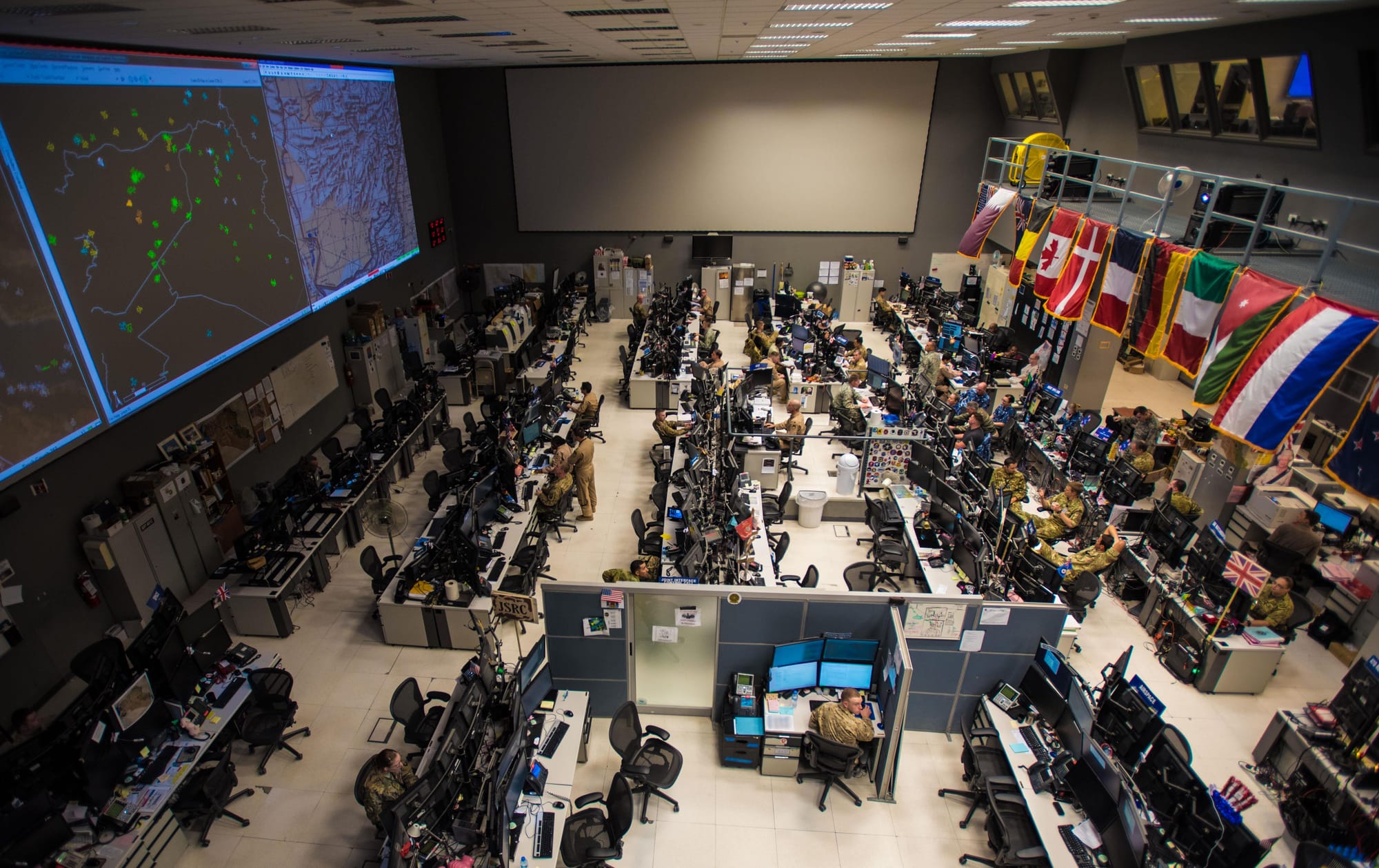
CENTCOM said multiple aircraft were deployed to the region to participate in operations related to Iran, and the incident occurred while those operations remained in friendly airspace. The service will continue to assess the circumstances and share further details as they become available.
Officials cautioned that the crash is a developing event and provided no early information about casualties or the exact cause. The military did not attribute the incident to hostile action or errors in judgment.
For U.S. readers, the accident highlights the ongoing risks and logistical demands of maintaining air power in the Middle East, where aerial refueling is essential to quickly project and sustain airpower across long distances. The episode could temporarily affect mission tempo and the availability of tankers for other operations in the region.
Context: CENTCOM oversees U.S. military operations in the Middle East, including Iraq and neighboring countries. The Western Iraq location referenced is a region that has hosted U.S. and coalition force activity for years, often tied to broader U.S. aims to deter and counter Iran-backed activities in the area.