South Korea Publishes Wildfire Prevention Guide as Climate Risk Rises
The National Institute of Forest Science in South Korea has published a public guidance booklet titled Understanding Wildfires Properly 2026. The aim is to help citizens grasp the causes, risks, and everyday steps to prevent fires and respond effectively.
Over the past decade, South Korea recorded 5,291 wildfires that damaged about 144,000 hectares of forest. Officials say increasingly dry conditions and strong winds driven by climate change have raised the danger of large-scale fires.
To address this, the Korea Forest Service designates March 14 to April 19 as the Large Wildfire Special Countermeasure Period, a spring window when fire risk is highest. During this period, prevention and response measures are significantly intensified.
The booklet is organized as a Q&A to present core wildfire information in a clear, accessible format. Topics include how fires start and spread, the defining features of large wildfires, prevention and firefighting methods, and practical evacuation guidelines for the public.
One key message is that most domestic wildfires are caused by human carelessness, and a single spark can escalate into a major blaze. The booklet also explains the scientific reasons embers can travel long distances on dry, windy days and how fires can spread rapidly.
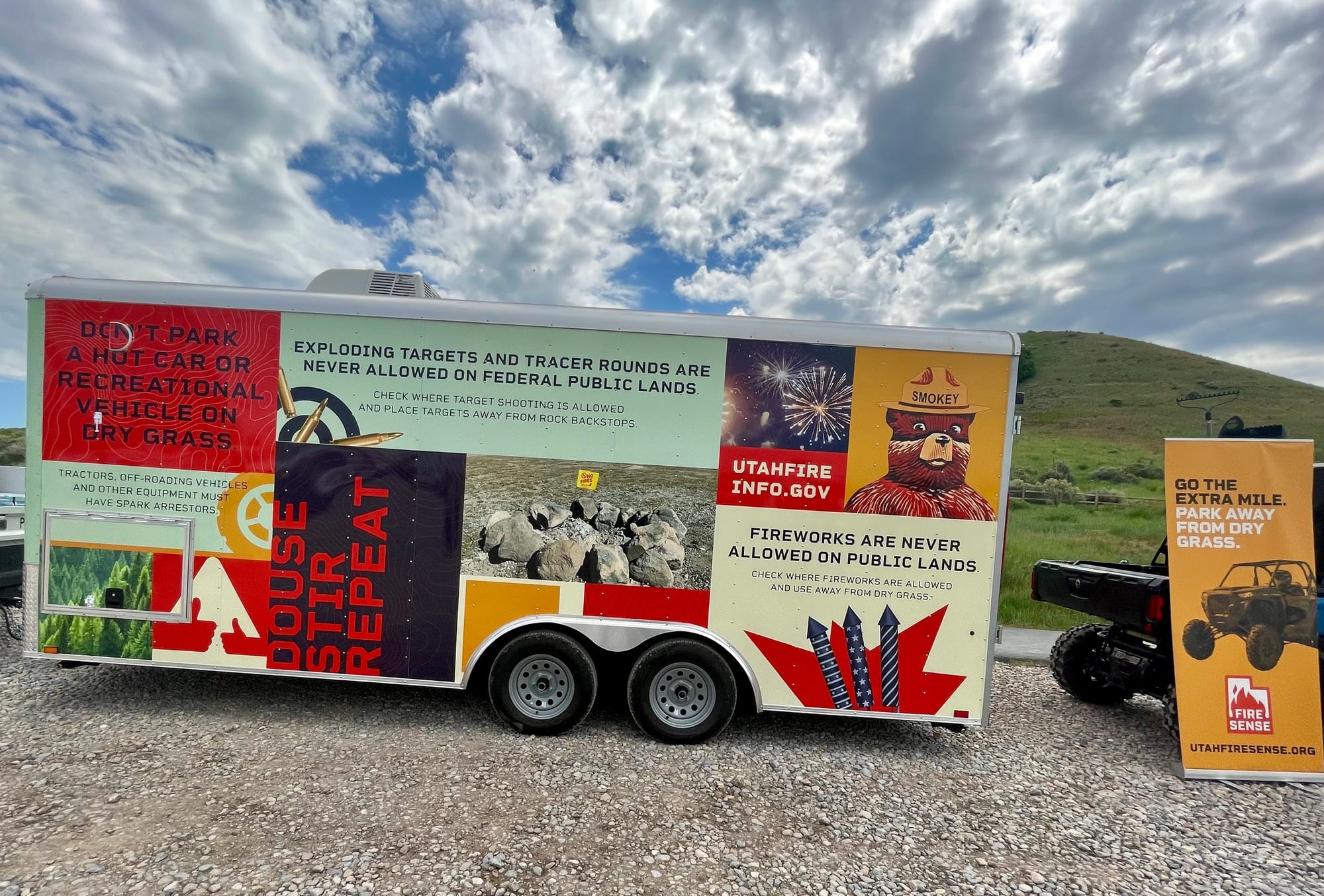
Practical guidance is included for reporting fires, evacuating when needed, and safety rules for outdoor activities such as hiking. The material is designed for everyday use and immediate applicability.
The booklet is freely available on the National Institute of Forest Science Library’s website, where anyone can view or download it. Oh Jeong-hak, head of the Forest Disaster Prediction Analysis Division, says prevention is the most effective response and urges the public to remain vigilant about even small sparks.
Why this matters to U.S. readers: Korea’s experience reflects broader global wildfire risks tied to climate-driven dryness and wind, with potential impacts on air quality, timber supply chains, and cross-border environmental conditions. The document highlights public risk communication, rapid evacuation guidelines, and the importance of proactive prevention—areas that resonate with wildfire preparedness and forest management efforts in the United States, particularly for communities near wildland-urban interfaces and for policymakers seeking scalable public education tools.