KAIST unveils K-Braille, reporting 100% accuracy in multilingual braille translation tests
KAIST has unveiled K-Braille, a next-generation braille translation engine designed to convert general text into braille with higher fidelity for blind and visually impaired users. The technology was developed by Professor Ga Hyun-wook and his team at KAIST’s Rehabilitation AI Laboratory, within the university’s Department of Convergence.
Unlike traditional braille software that substitutes characters one-for-one, K-Braille analyzes sentence structure and context to interpret meaning before rendering braille.
In testing, the researchers analyzed 17,943 sentences and reported 100.0% accuracy in braille translation, along with an average 99.81% similarity in the braille sentence structure compared with the reference.
The engine is said to handle sentences that mix foreign languages with Korean, as well as complex symbol combinations and varying unit notations—edge cases where conventional braille translation often encounters errors.
Professor Ga Hyun-wook described braille as more than just symbols, calling it a language through which blind people read the world. He added that the team aims to expand K-Braille to cover math formulas and musical notation, moving toward a more universal braille translation system.
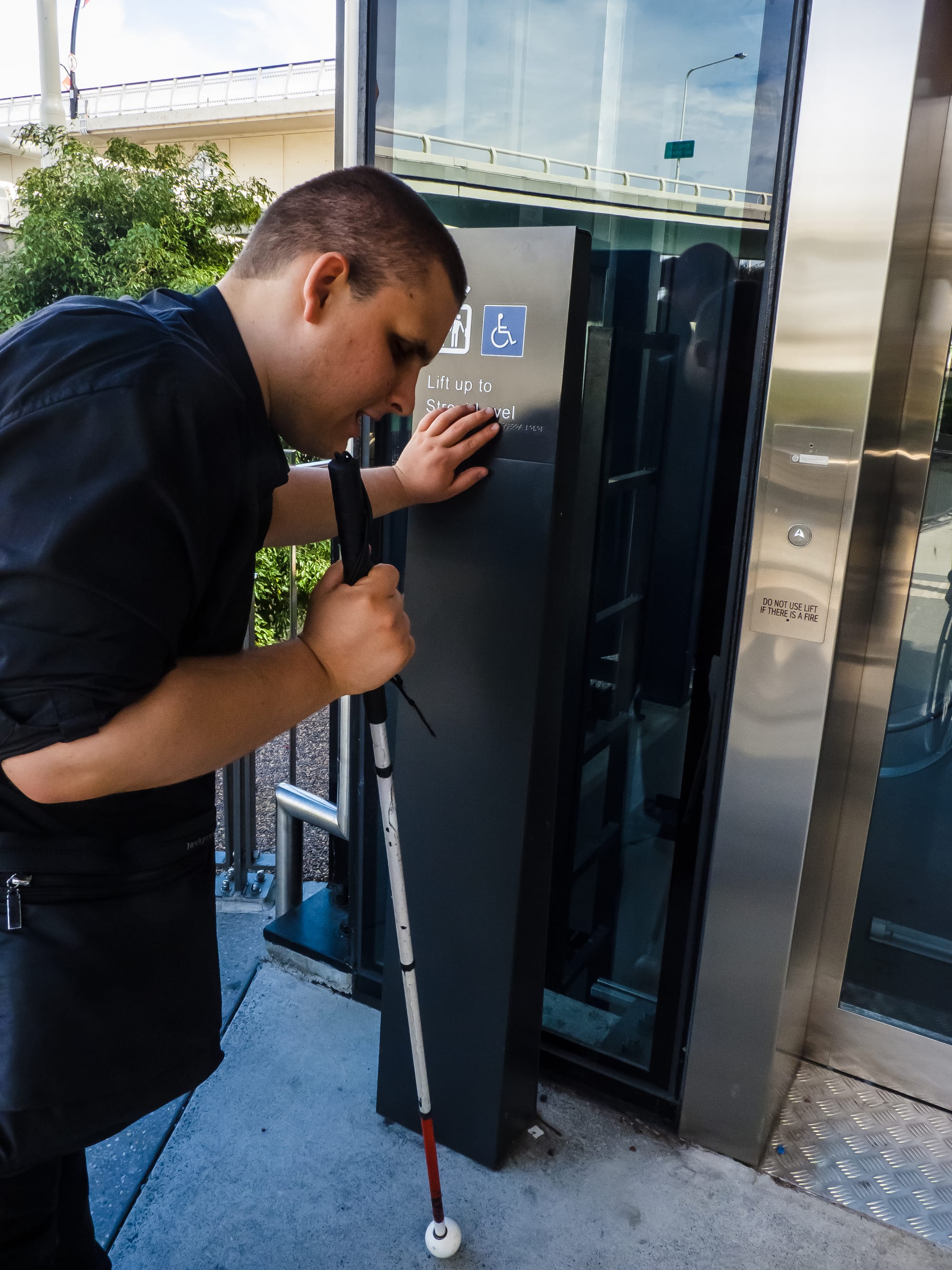
For global readers, the development signals progress in accessibility technology that could improve access to multilingual and technical content for braille users beyond Korea. The work has potential implications for educational materials, digital publishing, and assistive-device ecosystems in the United States, where accessibility standards and inclusive design remain a priority for schools, libraries, and tech providers.
KAIST’s push in AI-driven assistive technology highlights how cutting-edge research from Korea can influence international markets for accessibility tools, content localization, and cross-language information access. The demonstrated accuracy and adaptability of K-Braille may invite collaboration with global organizations, publishers, and device makers seeking to enhance braille literacy and inclusion.