Korea forecasts cloudy weekend, light snow in highlands, frost inland, dust on Sunday.
Forecasts say this weekend will be mostly cloudy over Korea with little expectation of heavy rain, making outdoor activities comfortable. Daytime temperatures will be mild, while mornings and evenings will feel a bit chilly.
The snow advisory that had been in effect for Gangwon Province’s mountainous areas has been lifted. Through this evening, parts of the central and southern Gangwon highlands could see less than 1 centimeter of snow. Light rain is expected along the eastern coast in North Gyeongsang as well as Busan and Ulsan, gradually tapering off.
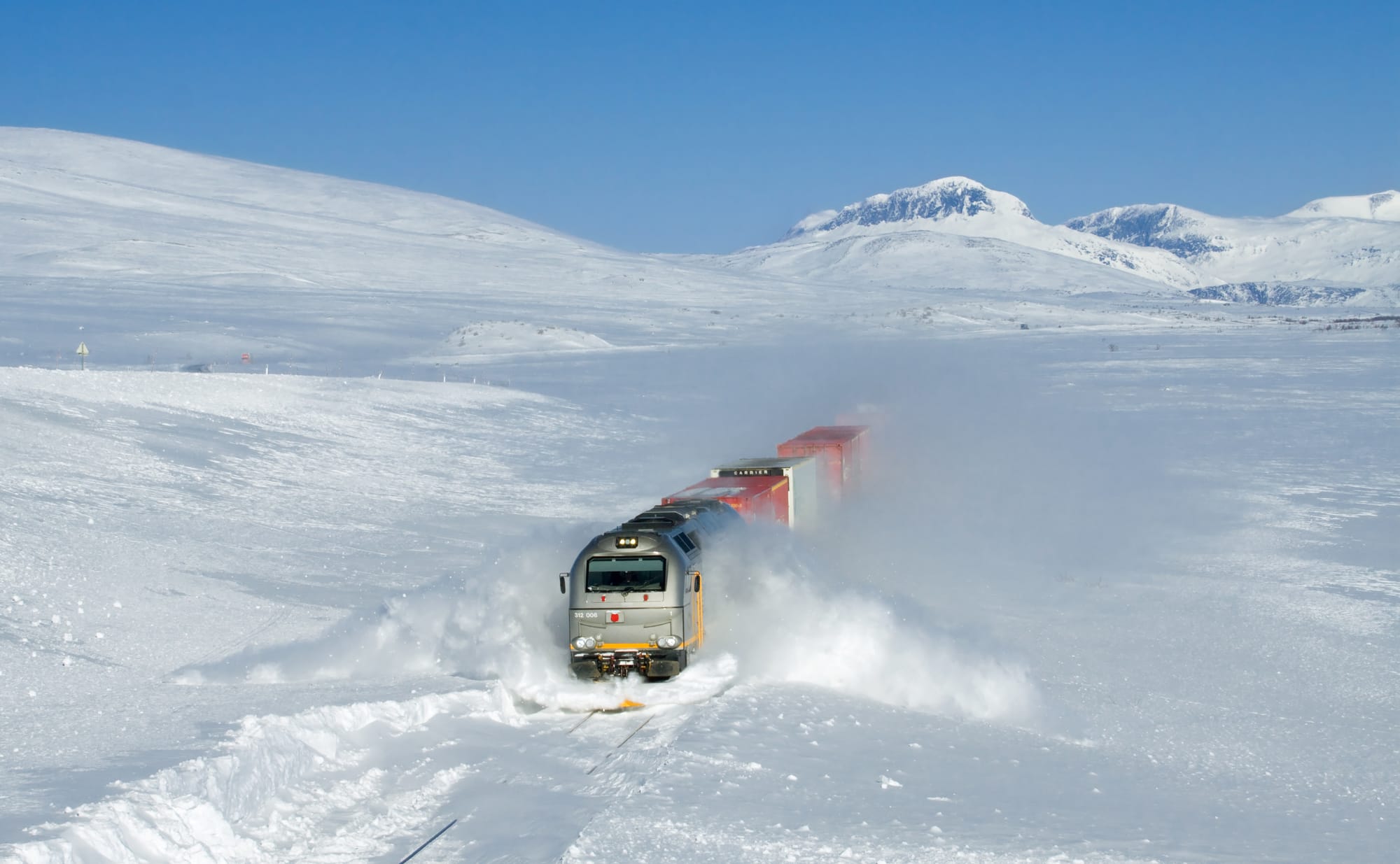
Tomorrow, skies are forecast to remain largely cloudy nationwide. From the pre-dawn into the morning hours, frost is expected in the southern inland regions. Strong swells are likely along the East Coast and Jeju Island, so coastal safety precautions are advised for hikers, surfers, and other ocean users.
Temperatures will vary widely: Seoul may start around 3°C in the morning, while daytime highs could reach about 15°C in Gwangju, underscoring a pronounced day-to-night temperature swing as Korea moves toward spring.
On Sunday, foreign fine dust is expected to return, likely reducing air quality in most areas by the afternoon. Health officials typically advise limiting outdoor activity for sensitive groups when pollution worsens.
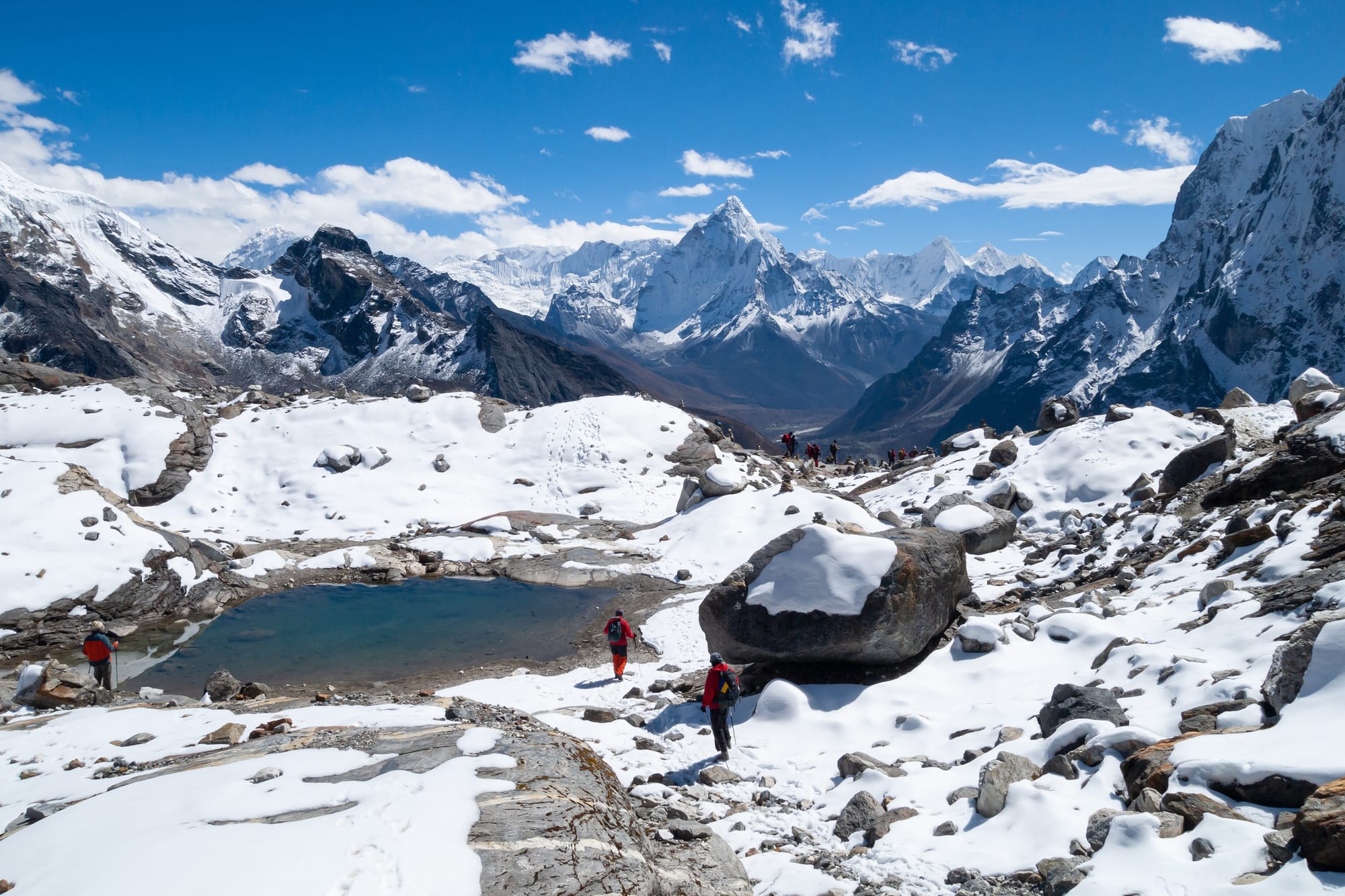
Why this matters beyond Korea: Korea’s weather and air quality have direct implications for regional supply chains and manufacturing, including electronics and automotive components produced in Busan and Ulsan, two of the world’s busiest ports. Forecasts also influence energy use, transportation planning, and health advisories that affect workers and travelers, including U.S. partners and travelers in the region.
Context for non-Korean readers: Gangwon Province in the northeast hosts major ski resorts and alpine terrain, and its highlands are a key source of snow for winter tourism. Busan and Ulsan are Korea’s two leading coastal cities in the southeastern region; Busan operates the country’s largest port, while Ulsan hosts large industrial complexes. The East Sea is the body of water between Korea and Japan; Jeju is Korea’s main volcanic island and popular resort destination. PM2.5-like “foreign fine dust” is a recurring issue in spring, driven by seasonal winds and regional pollution patterns.