South Korea's National Assembly stalls on electoral reform ahead of June 3 local elections
South Korea’s National Assembly moved to address electoral reform and local redistricting today, but the Political Reform Special Committee failed to reach conclusions on key items. The full committee met for only the second time since January, after a two-month gap, and did not produce a final plan on how local electoral districts should be drawn for the upcoming June 3 local elections, or on a broader package of political reform bills.
Officials emphasized the urgency of redistricting under the Public Official Election Act, which requires completion at least 180 days before an election. With the local vote less than 80 days away, critics said the discussions were not advancing quickly enough. The committee’s discussion on the local redistricting and reform-related laws took place on the 13th at the National Assembly.
Democratic Party lawmaker Song Gi-heon, who chairs the committee, said that all sides should share responsibility for the delay and that the panel must conduct in-depth deliberations. He also urged the party leaders to organize the remaining schedule so discussions can proceed more smoothly.
On the opposition side, People Power Party (PPP) lawmaker Se Il-jun noted that with roughly 83 days to go before the local elections, those working in the field are very busy and pledged to push for bills that meet public expectations. He warned that a concrete timetable is needed so preparations on the ground can proceed.
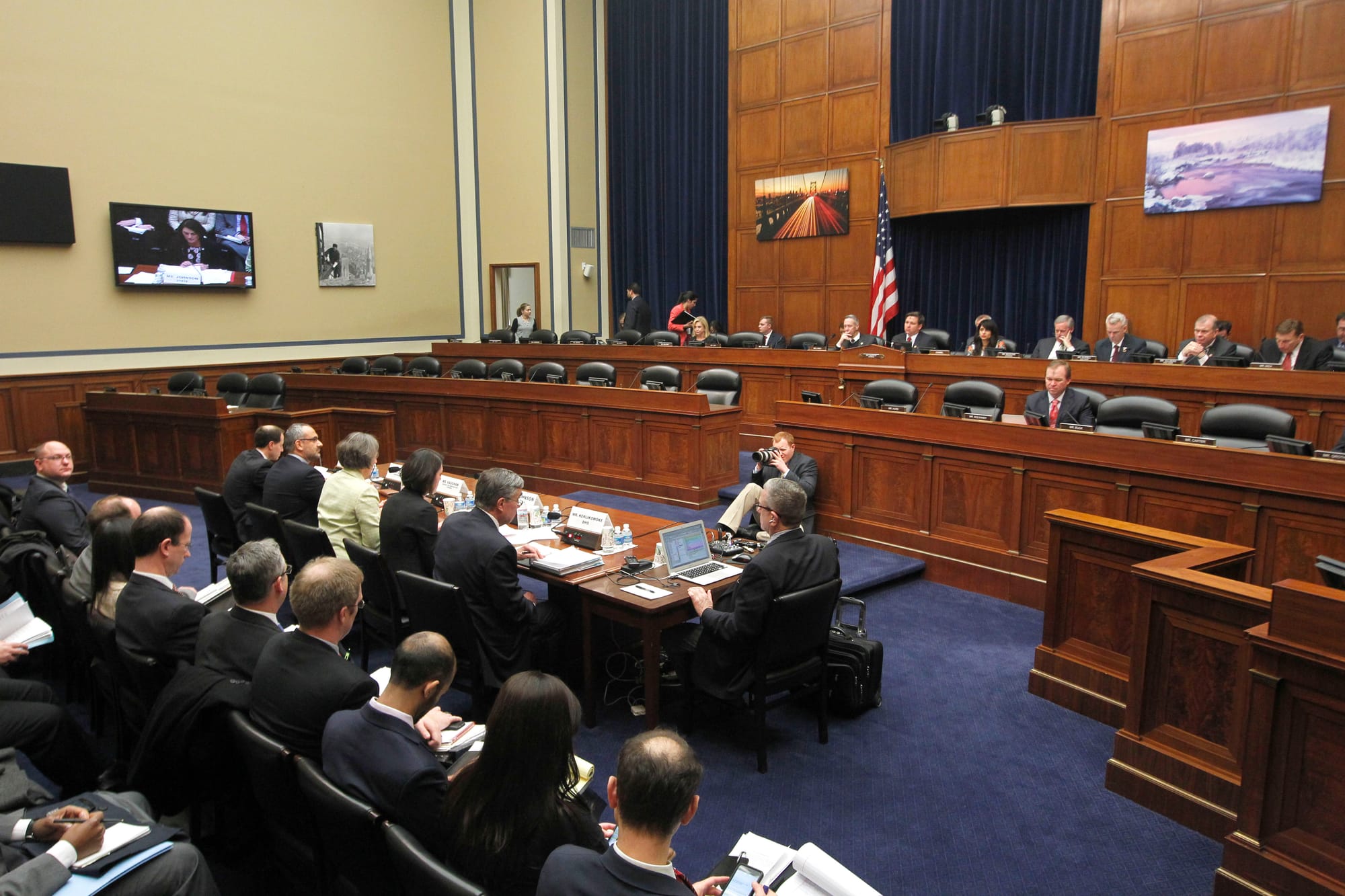
Democratic Party lawmaker Im Mi-ae criticized the committee’s limited activity since its formation, saying the full assembly has met only twice and subcommittees have not been functioning effectively. She questioned how candidates on the ground could be briefed without a clear roadmap.
PPP lawmaker Park Deok-hoon argued that even a basic schedule for when redistricting would be completed should be announced to allow regional organizers to plan. Kim Seung-soo, another PPP member, pointed out that the legal deadline is six months before an election, and said the timetable should reflect that requirement.
After the full committee, lawmakers then continued discussions in the Political Reform Law Review Subcommittee (the 1st Subcommittee) but did not reach a conclusion on the proposals. The agenda included bills that would revive district-based parties—an idea abandoned in 2004—and measures to allow local party operations and fundraising for local party committees.
The party lineup on the reform package remains deeply divided. The sole minority party member at the full committee, Jeong Chun-saeng of the JUK (Liberal Reform Party), attended to criticize that none of the reform bills pushed by reform-minded groups had been introduced, and that 27 of the 28 bills in the session were tied to reviving district parties. He did not participate in the subcommittee session.
In response, Democratic Party member Yun Gun-yeong said today’s session was for briefing and that deliberation would continue in the 2nd Subcommittee and then the 1st Subcommittee next week. He said the 19th would see further discussion, but that any concrete bills would require cross-party agreement.
Analysts note that, given Korea’s bipartisan political landscape, reform efforts often stall at leadership level even when committees reach tacit consensus. A former official who participated in the last cycle suggested that committee consensus does not guarantee passage if the two major parties’ leadership do not back it. Current ruling-party officials acknowledged the sense that reform discussions are proceeding only in a formal, rather than transformative, manner.
Why this matters beyond Korea: how Korea handles electoral reform and local governance has direct implications for business confidence, regulatory clarity, and stability in a major U.S. ally and technology hub. Korea is a key supplier in global supply chains, including semiconductors and consumer electronics, and political gridlock around election rules and party financing can affect policy continuity on markets, investment climates, and procurement standards. Clarity on local governance and campaign finance oversight also shapes Korea’s regulatory environment for foreign investors and multinational firms operating in Korea, as well as the broader U.S.-Korea security and economic partnership.