Seoul Interbattery 2026 Highlights Solid-State Batteries, High-Safety Energy Storage
Interbattery 2026 opened at COEX, the convention center in Seoul’s Gangnam district, drawing about 23,000 attendees on its first day. Organizers said this set an all-time high for the event, surpassing last year’s opening-day figure of 21,781 and marking a roughly 5 percent increase.
The trade show reflections point to a broader shift in the battery market. While electric-vehicle batteries remain central, demand is expanding into energy storage systems, artificial intelligence data centers, and robotics, signaling a wider set of applications for next-generation energy technologies.
A central theme this year is the race to commercialize solid-state and other next-generation battery technologies, along with safety innovations. Industry leaders are presenting strategies to speed up development and deployment of high-performance energy storage.
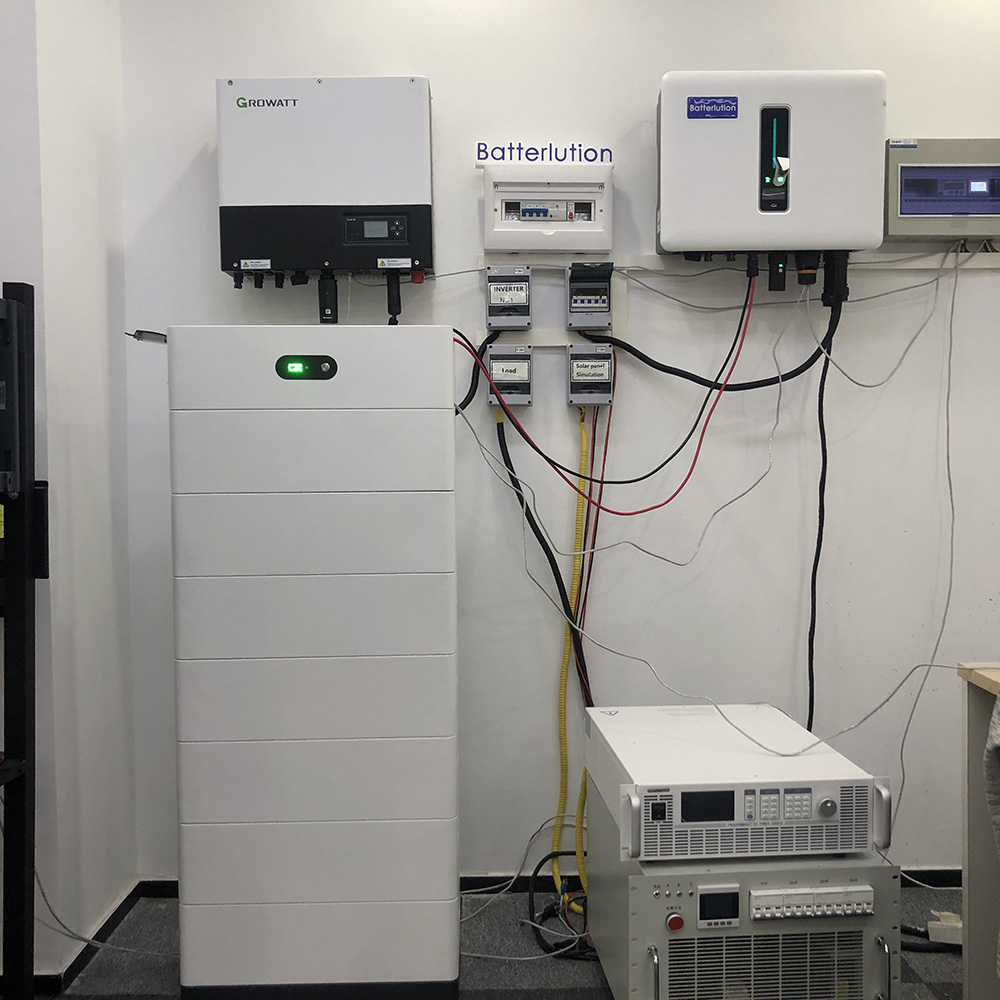
Samsung SDI used the stage to spotlight solid-state and high-safety ESS (energy storage system) batteries, highlighting plans to target the next generation of energy storage and AI-centric data centers with reliable, high-safety solutions.
LG Energy Solution followed with a platform approach to batteries that extends beyond electric vehicles to ESS and various industrial applications. The company showcased next-generation battery tech aimed at supporting AI infrastructure and smart energy systems.
SK On showcased its work on high-energy-density cells and next-generation research and development, emphasizing potential uses beyond cars in robotics and urban mobility technologies such as urban air transport.
Battery-materials players also featured prominently. Posco FutureM promoted high-performance cathode and anode materials for high-energy-density batteries, while EcoPro highlighted nickel-based cathode materials and other next-generation materials to strengthen the global supply chain.
On the second day, the event hosts The Battery Conference and the 2026 Korea-Germany Battery Forum, where international discussions on technology and industrial cooperation continued. Organizers emphasize that Interbattery serves as a platform for sharing cutting-edge tech and forging partnerships.
Why this matters to readers outside Korea, especially in the United States: the show offers a window into how next-gen battery tech—especially solid-state chemistries and high-safety systems—could reshape EVs, data centers, and robotics, with knock-on effects for supply chains and energy policy. U.S. automakers, data-center operators, and technology firms rely on a diversified, secure global battery supply chain, making Korea’s leadership in materials, cell design, and safety-critical innovations particularly consequential. The Korea-Germany Battery Forum also signals ongoing international collaboration that can influence manufacturing standards, joint ventures, and policy discussions affecting trans-Pacific markets.