Oil volatility rises as Strait of Hormuz risk meets fading Fed rate-cut bets
Tensions in the Middle East between Iran and regional powers have raised the risk of conflict and sent global oil markets into volatility. The resulting price swings have stoked fears of higher inflation around the world.
President Donald Trump has turned up the pressure on the U.S. Federal Reserve, urging an immediate rate cut and arguing that policy should move faster than the central bank’s next meeting. He publicly targeted Fed Chair Jerome Powell in recent posts, calling for a cut now and labeling Powell as “Too Late Powell.”
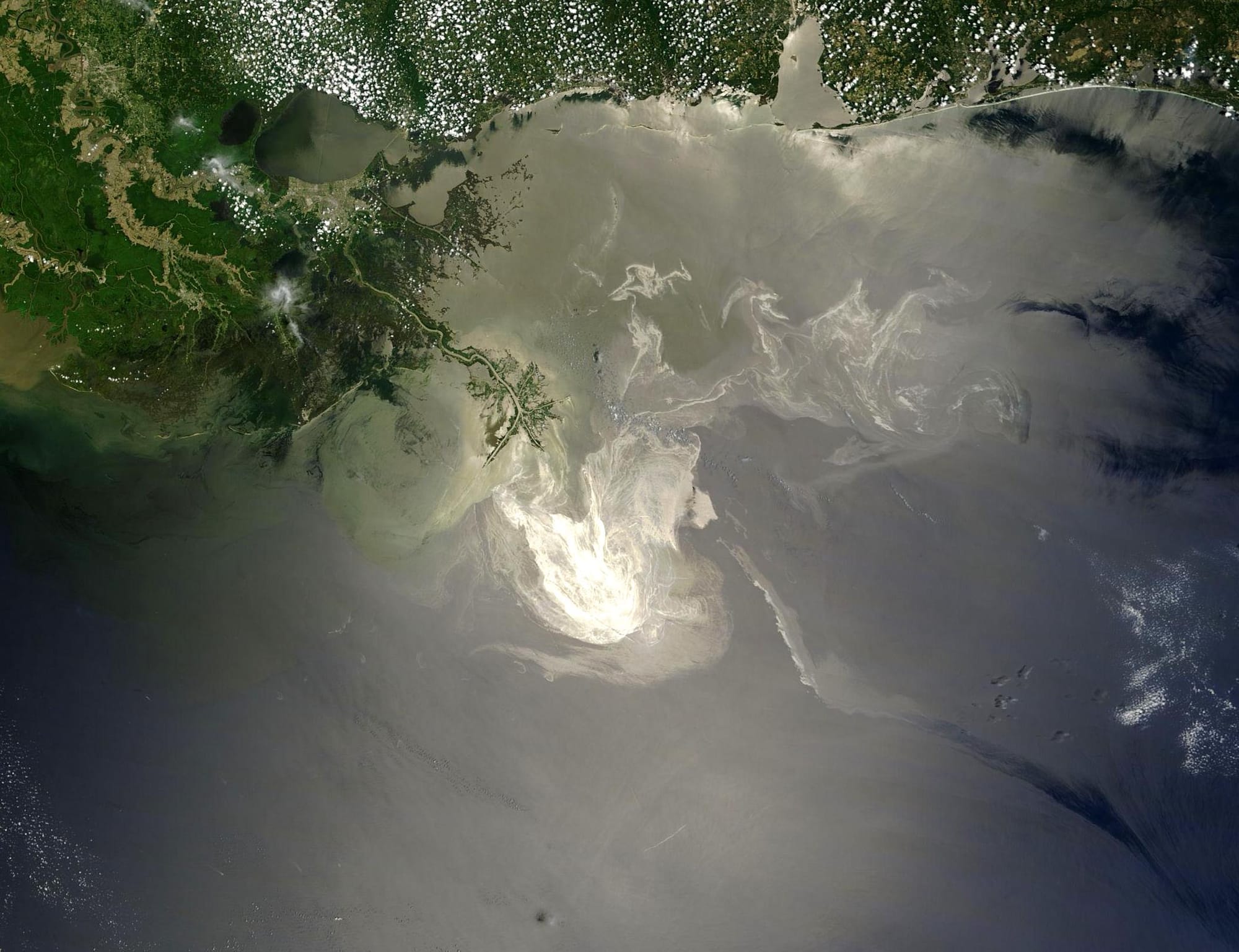
Trump’s push comes as traders weigh the impact of potential disruption to crude shipments through the Strait of Hormuz, a key chokepoint for global oil supplies. Gasoline prices in the United States rose to about $3.58 per gallon, a roughly 20% jump in short order, according to the latest market data cited in the coverage.
Economists warned that inflation could re-accelerate toward the 4% level if price pressures from higher energy costs persist. The combination of an oil shock and upward price pressures has revived concerns about consumer costs and the trajectory of monetary policy.
Despite the president’s demands, a near-term rate cut appears unlikely. Markets were pricing in a high probability of holding rates at this month’s meeting, with some analyses suggesting a 97%-plus chance of no cut at that decision.

Reuters notes a disconnect between Trump’s wishes and financial-market behavior, pointing out that investors remain focused on inflation risks rather than easing policy. The dynamic underscores the tension between domestic political pressures and the Fed’s data-driven mandate.
The timing matters beyond Korea because oil-price shocks and geopolitical tensions directly affect U.S. inflation, consumer spending, and the trajectory of financial markets. A sustained energy-price surge can feed through to interest-rate expectations, borrowing costs, and supply chains that rely on global commodity flows, all of which have implications for the U.S. economy and policy choices ahead of elections.