India-Iran discuss Hormuz tensions as BRICS push Middle East stability and energy shipments
Indian Prime Minister Narendra Modi has spoken with Iranian President Ebrahim Raisi to discuss the Middle East’s rising tensions and the broader impact on energy shipments through the Strait of Hormuz. Modi said on social media that he exchanged views with Raisi on the region’s serious situation, stressing concerns about increased violence, civilian casualties, and damage to civilian facilities. He added that ensuring the safety of Indian citizens and the smooth movement of goods and fuel are top priorities for New Delhi.
Raisi, in the call, underscored that the BRICS bloc—led by China and Russia—should play an active role in promoting peace and stability in the Middle East. The вамbleline exchange reflects recurring calls for regional diplomacy as the war’s spillover effects threaten energy security worldwide.
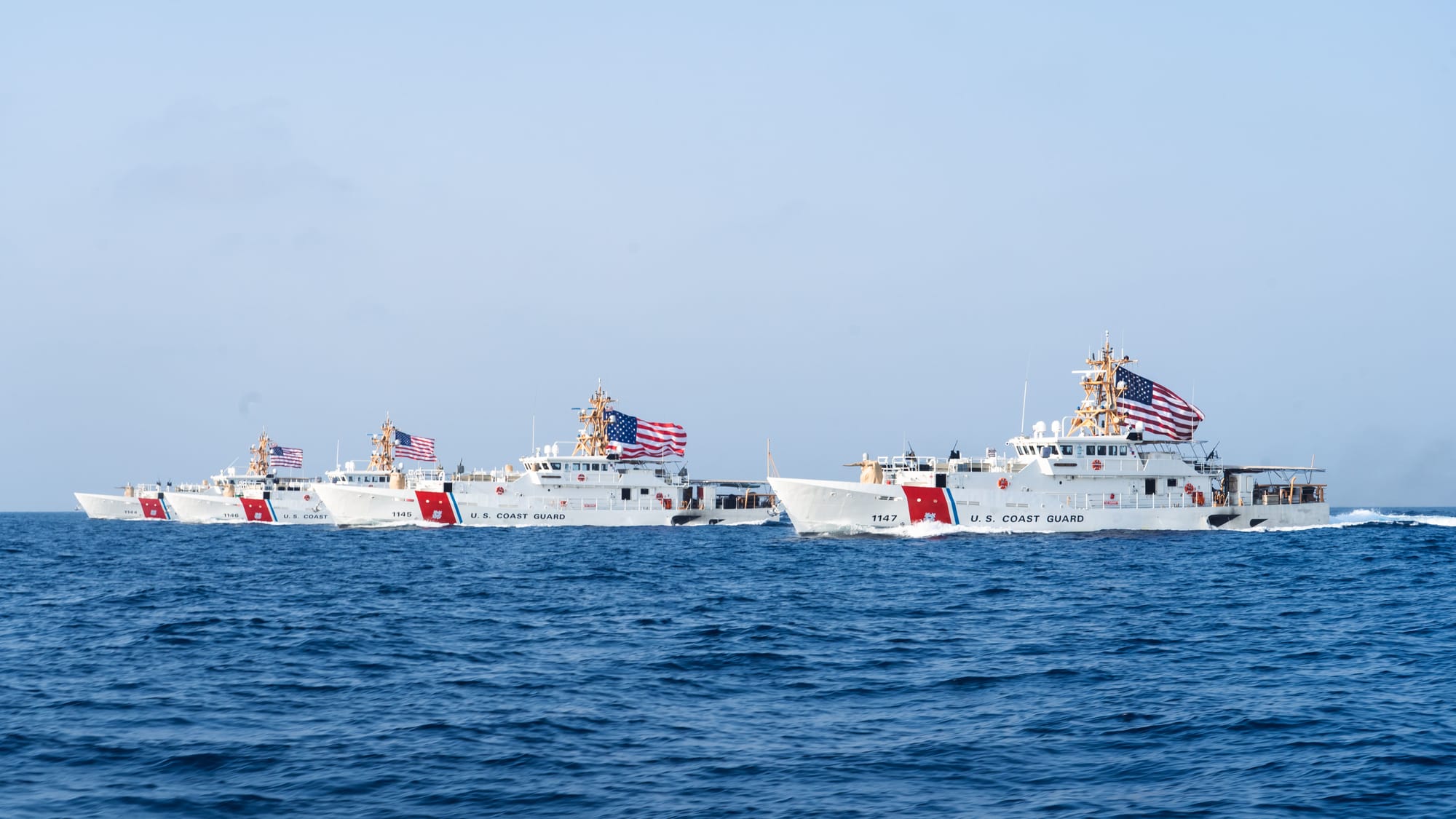
Bloomberg cited the discussions as India preparing to move roughly 20 oil tankers through the Strait of Hormuz, with ten tankers already contracted to carry LPG for state-owned refiners Indian Oil Corp (IOC) and Hindustan Petroleum Corp (HPCL). Another five ships are expected to carry crude oil, with the rest carrying unspecified cargoes. An Indian government official said negotiations were ongoing and that the Foreign Ministry was handling them.
Indian and Iranian sources conflict on the status of any agreement. Indian officials told Reuters that Tehran was expected to allow the tankers to pass, while Iranian sources said no deal had been reached yet. The status of Hormuz transit remains a live diplomatic issue as talks continue.
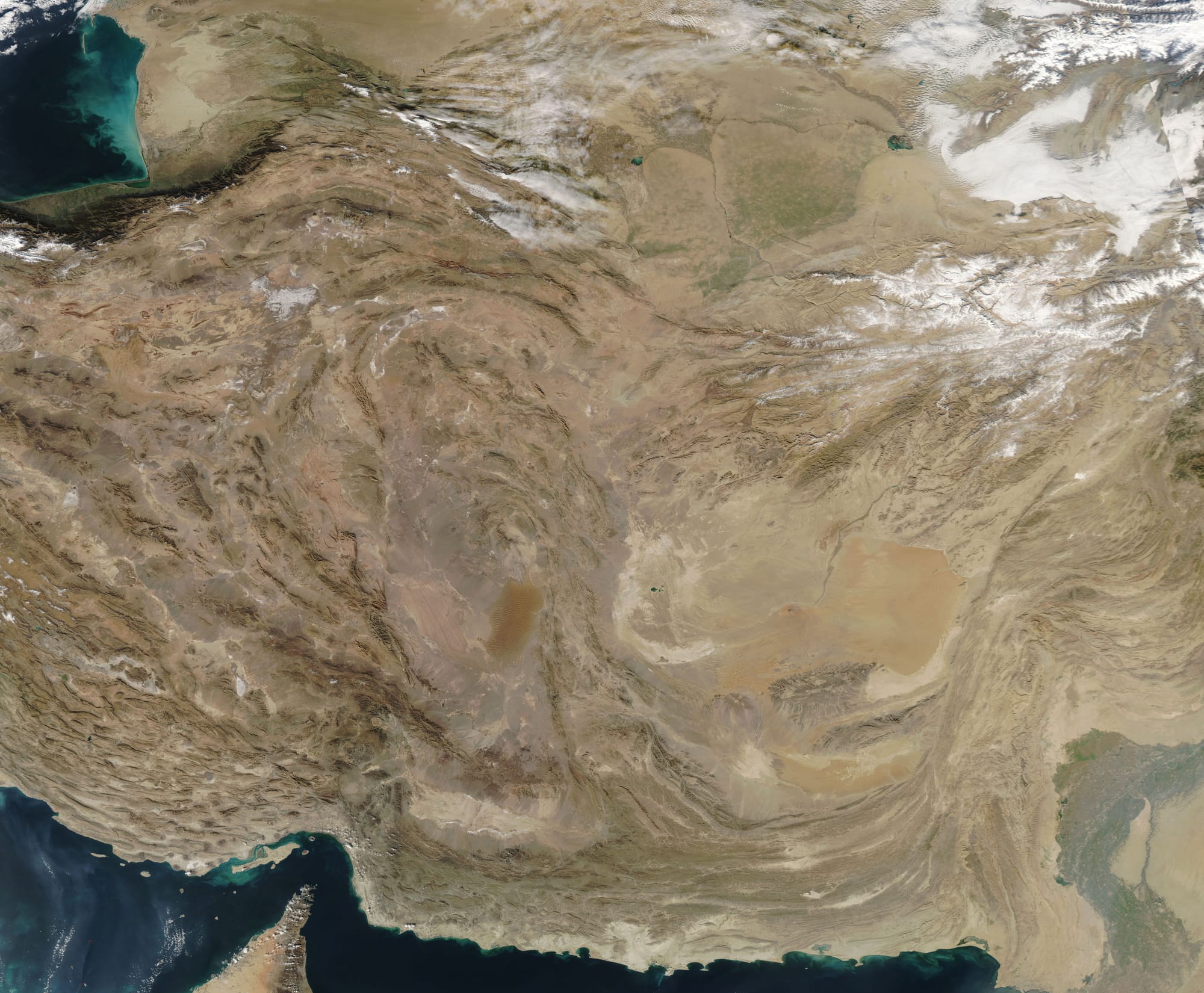
For context, Hormuz is a pivotal waterway linking the Persian Gulf to the Indian Ocean, handling about one-fifth of the world’s crude oil shipments. India relies heavily on Middle East energy, with roughly 40% of its crude imports historically drawn from Hormuz-area producers, underscoring why disruptions there have broad implications beyond regional security.
The developments matter to U.S. readers because any setback to Hormuz traffic can influence global oil prices, supply chains, and energy markets. As a rapidly growing consumer economy and ally of Western energy policy efforts, India’s ability to secure alternative routes and diversify suppliers also has implications for U.S. energy security, inflation, and strategic balancing in Asia. Diplomatic signals from BRICS members regarding peace and stability in the Middle East may shape broader geopolitical alignment and market expectations in the months ahead.