KAIST Unveils K-Braille, Free Public Deployment of a High-Accuracy Korean Braille Translator
A research team at KAIST led by Professor Ga Hyun-Uk has developed K-Braille, a next-generation translation engine that converts ordinary text into braille after analyzing sentence meaning and structure. KAIST said the project completed large-scale performance validation.
Braille translation is essential for blind readers to access information from books, documents, and websites. In Korean, braille rules cover spaces, punctuation, and foreign-language notation, creating many exceptions that make automatic conversion challenging. Traditional programs often convert characters mechanically, which can fail on sentences that mix Korean and English, use complex symbols, or involve irregular spacing around parentheses.

K-Braille distinguishes itself by understanding sentence meaning. It analyzes parts of speech and syntactic structure, then splits Korean text from foreign elements and numbers before producing braille. The system also accounts for the 2024 revised Korean braille rules to handle a variety of edge cases.
For validation, the KAIST team used the Mokja-braille parallel corpus, the national standard braille data compiled by the National Institute of the Korean Language. From this data, 17,943 sentences were tested. The results showed a practical braille-rule compliance rate of 100% and an average structural similarity of 99.81% for braille sentences, outperforming Korea’s official braille translator Jeomsarang in head-to-head comparisons.
KAIST plans a broad, no-cost public deployment of the technology. The university said it will establish formal technology transfer and partnerships with public agencies, education offices, braille libraries, and assistive-device manufacturers so organizations can integrate K-Braille into their systems without added costs. The approach could accelerate access to digital content for visually impaired people across sectors.
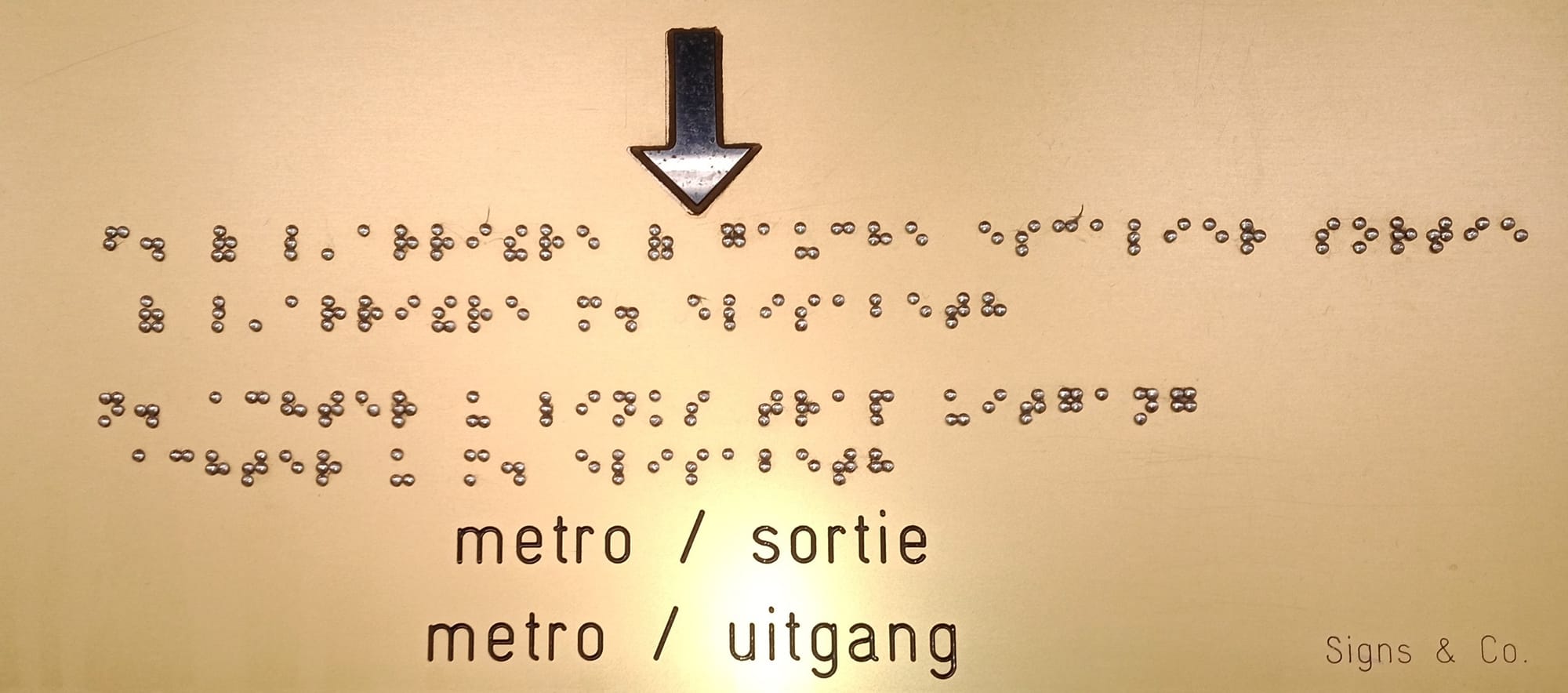
In future work, the team aims to extend K-Braille to mathematics, scientific notation, and musical symbols, and to develop a next-generation electronic braille file format that goes beyond current standards. These advances would further standardize accessible content across platforms and devices.
The development matters beyond Korea for U.S. readers because it addresses universal challenges in accessibility, education, and digital inclusion. If adopted or adapted internationally, the technology could improve access to government services, textbooks, and online content for blind and visually impaired people, while also informing global standards for automated braille translation and potentially enabling collaborations across universities and technology firms in the United States. KAIST's move to share the technology widely could influence the global market for assistive devices and content licensing, with implications for accessibility policy, supply chains, and inclusive technology development.