KAIST President Lee Kwang-hyung to Stay Through Transition Amid Delayed Appointment

KAIST President Lee Kwang-hyung said on the 13th that he will continue to serve as president until a successor is appointed, at the request of the university’s board, in order to keep KAIST’s operations stable amid delays in the presidential selection process.

Lee acknowledged growing concern among campus members and citizens who value KAIST, noting the confusion and inconvenience caused by the stalled appointment process and saying he takes those concerns seriously.

He said he had previously offered to resign on moral grounds, but emphasized that ongoing debates over the president-appointment system and related governance-law discussions have intensified worries about a leadership vacuum.
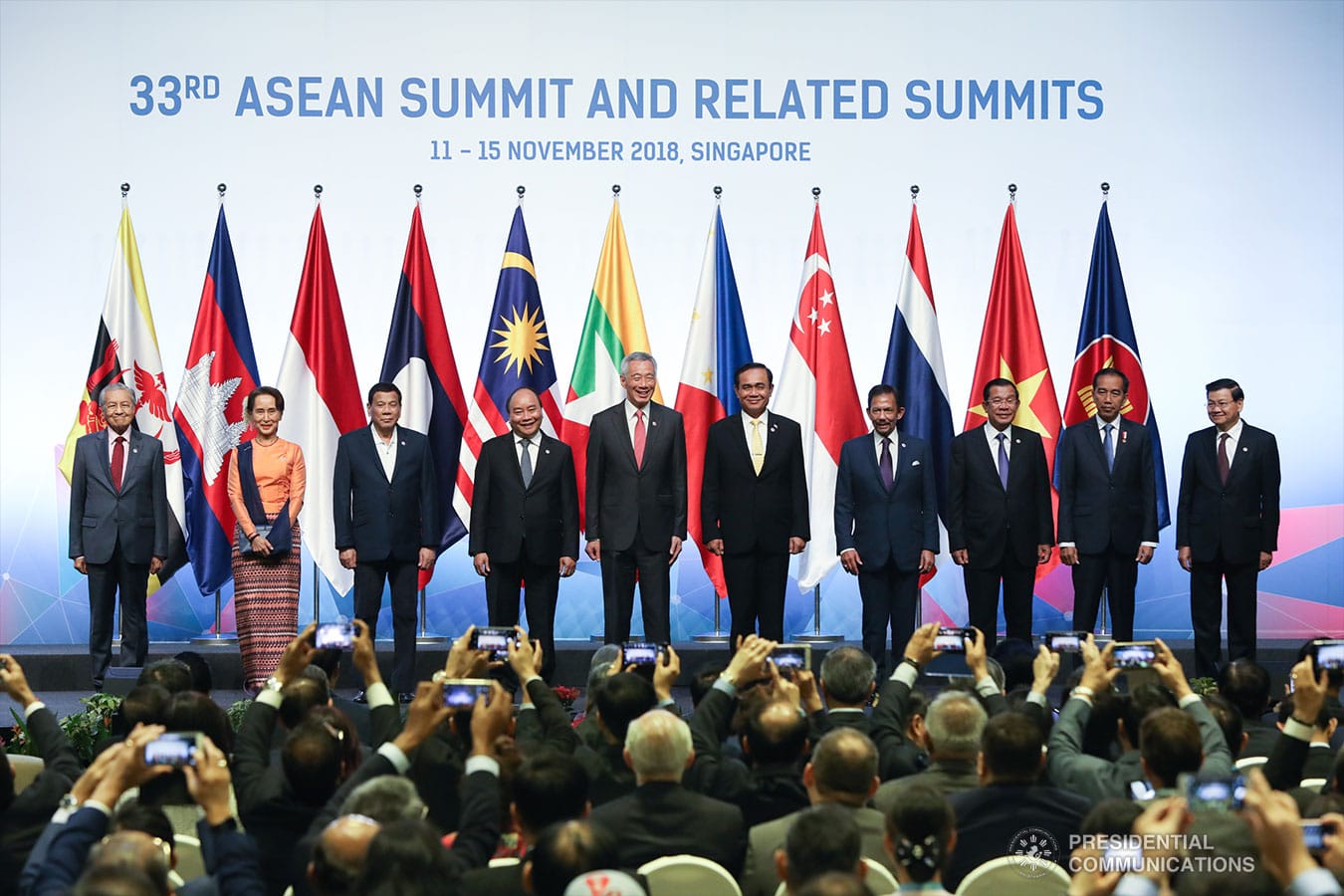
SINGAPORE — President Rodrigo Roa Duterte on Tuesday, November 13, touted the Association of Southeast Asian Nations (ASEAN) for its resilience and determination amid recent calamities.
“The path towards the realization of ASEAN Vision 2025 and our efforts in achieving a rules-based, people-oriented, and people-centered ASEAN Community is constantly being tested. But we continue to prevail,” the President said during his intervention for the 33rd ASEAN Summit working dinner at the Suntec Convention and Exhibition Center.
“In the wake of recent calamities, ASEAN member states have provided full support for each other, showing ASEAN’s resiliency and determination. Indeed, with One ASEAN, there is One Response,” he added.
“Yet, the crucial task of sustaining innovative and inclusive growth remains. We must remain undeterred and focused. ASEAN must continue investing in itself,” he said.
According to the Chief Executive, the Philippines is accelerating infrastructure development to support its growing economy and to address the demands of its increasing population and the challenges of rapid urbanization.
He also urged ASEAN to invest in Micro, Small, and Medium Enterprises (MSMEs) by enabling the sector to participate in the global value chain and production networks.
The President also encouraged the regional grouping to “invest in our people.”
He said the Philippines backs the adoption and notation in the summit of vital documents on migrant workers, persons with disabilities, green jobs for inclusive growth, climate change and biodiversity, among others.
According to the President, ASEAN still faces many threats such as non-traditional security challenges that divide our communities, destroy families, and hold back economic growth.
He said these challenges include terrorism, violent extremism, radicalization, piracy and armed robbery at sea, and trafficking of persons and illicit drugs.
“We need to intensify cooperation and implement previously agreed-upon action plans if we are to address these issues and realize a more peaceful, stable, and secure region,” he said. “The Philippines is prepared to do its part.”
Concerning the situation in the South China Sea, President Duterte conveyed the Philippines’ stance on the matter.
“In our role as Country Coordinator of ASEAN-China Dialogue Relations until 2021, we are committed to work with all concerned parties in the substantive negotiations and early conclusion of an effective Code of Conduct,” he said.
“We likewise reaffirm our commitment to the full and effective implementation of the Declaration on the Conduct of Parties in the South China Sea. This includes the peaceful settlement of disputes, the exercise of self-restraint, and the freedom of navigation and overflight in accordance with international law, especially the 1982 UN Convention on the Law of the Sea,” the President added.
Meanwhile, Duterte said the Philippines welcomes positive developments in recent months in the Korean Peninsula.
“We urge concerned parties to continue working towards the realization of lasting peace and stability, and reiterate our support for the complete, verifiable, and irreversible denuclearization of the Peninsula,” he said.
The President said the Philippines supports ASEAN’s role in providing humanitarian assistance to all affected communities in the Rakhine State, noting that “we must together address the root causes and create a conducive environment for affected communities to rebuild their lives.”
During his intervention, the President also expressed his gratitude to Prime Minister Lee Hsien Loong and the people of Singapore for the “warm hospitality and excellent arrangements.”
Moreover, the President greeted Malaysian Prime Minister Tun Dr. Mahathir Mohamad.

He also took the opportunity to welcome the launching and establishment of the ASEAN Prize. The President was honored by the conferment of the inaugural ASEAN Prize to Erlinda Uy Koe, a Filipina, who works with ASEAN Society Philippines and ASEAN Autism Network that has touched the lives of persons with autism and their families across the region.###PND
Representative image for context; not directly related to the specific event in this article. License: Public domain. Source: Wikimedia Commons.

The board asked him to remain in his post through the transition to a new leader to help maintain smooth university management during this critical period.

KAIST is a major national research university in Daejeon, Korea, known for its emphasis on science, engineering and technology, with extensive ties to industry and government research programs.
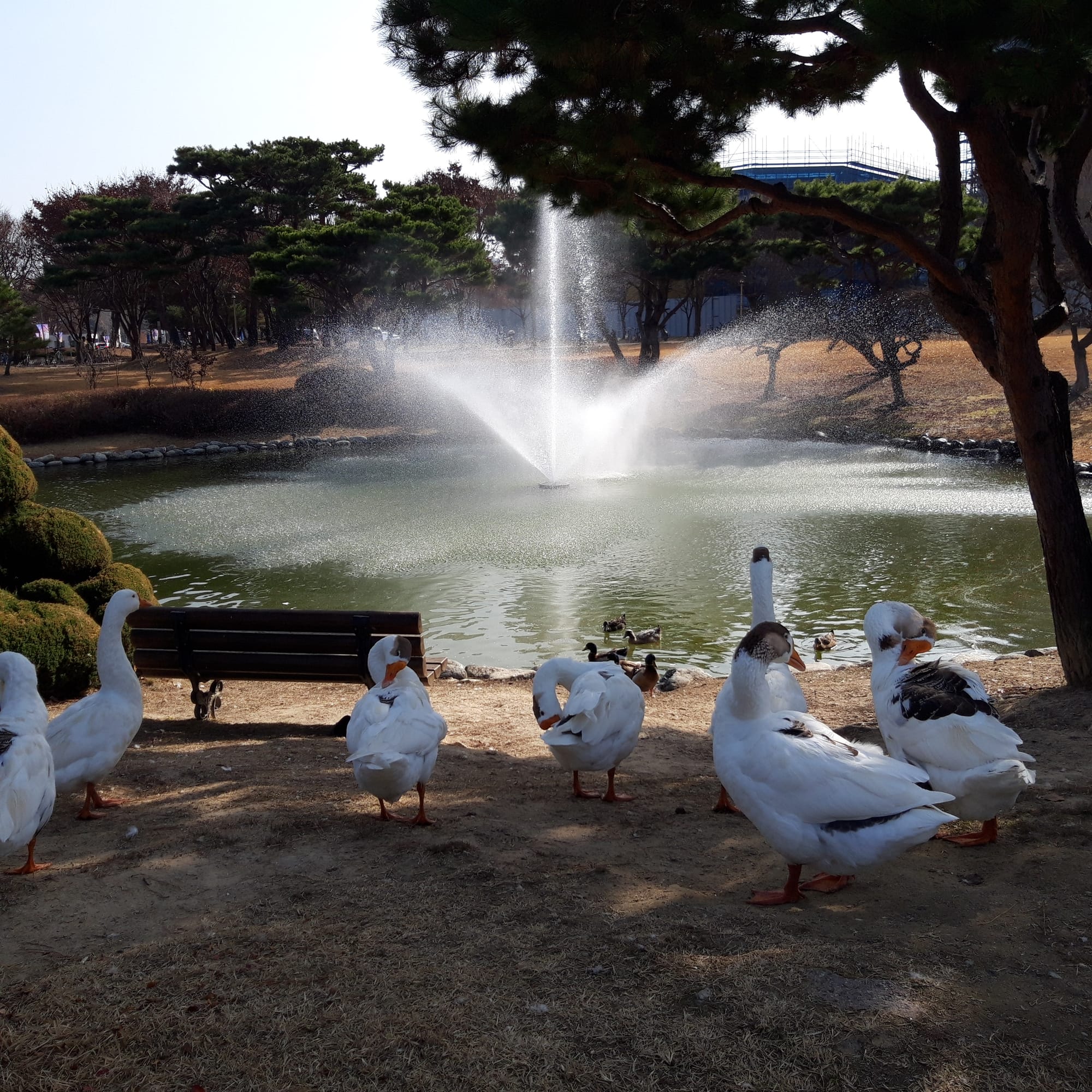
Geese and ducks at the lake in KAIST campus
Representative image for context; not directly related to the specific event in this article. License: CC0. Source: Wikimedia Commons.

For international readers, the leadership transition matters because KAIST is a key partner for U.S. universities and technology companies, influencing collaborative research, talent pipelines, and joint programs that shape innovation and competitiveness.

The case also intersects with broader debates in Korea over university governance and potential legal changes affecting how top leaders are selected, a factor that can affect strategic planning and international collaborations.

No timetable for appointing the next KAIST president was announced, leaving the university in a transitional phase as governance discussions continue.

Subscribe to Journal of Korea

Don’t miss out on the latest issues. Sign up now to get access to the library of members-only issues.
jamie@example.com
Subscribe