Oil holds near $100 as Hormuz chokepoint risk spurs US escort plans.
Oil markets have reacted to the risk that Iran could seal the Strait of Hormuz, even as a senior U.S. official signaled that escort plans are in place. Scott Besent, the U.S. secretary of the treasury, said the United States would begin guarding tankers through the strait as soon as it is militarily feasible, with the possibility of U.S. or UN escorts always part of the plan. Yet traders pushed Brent crude futures for May delivery above $100 a barrel amid ongoing concerns about disruption.
The Strait of Hormuz is a chokepoint whose narrowest section measures 33.8 kilometers. Because of a jagged coastline and many islands, large ships can practically use only two routes. To prevent collisions and guide traffic, the waterway operates a traffic separation scheme, with each route about 3.2 kilometers wide and a central 3.2-kilometer buffer zone.
Much of the strait lies within Iran’s coastal waters, meaning vessels are exposed to potential land-based attacks from coastal artillery and rocket systems. The combination of geography and proximity to Iranian territory complicates any attempt to guarantee uninterrupted passage, even with naval escorts.
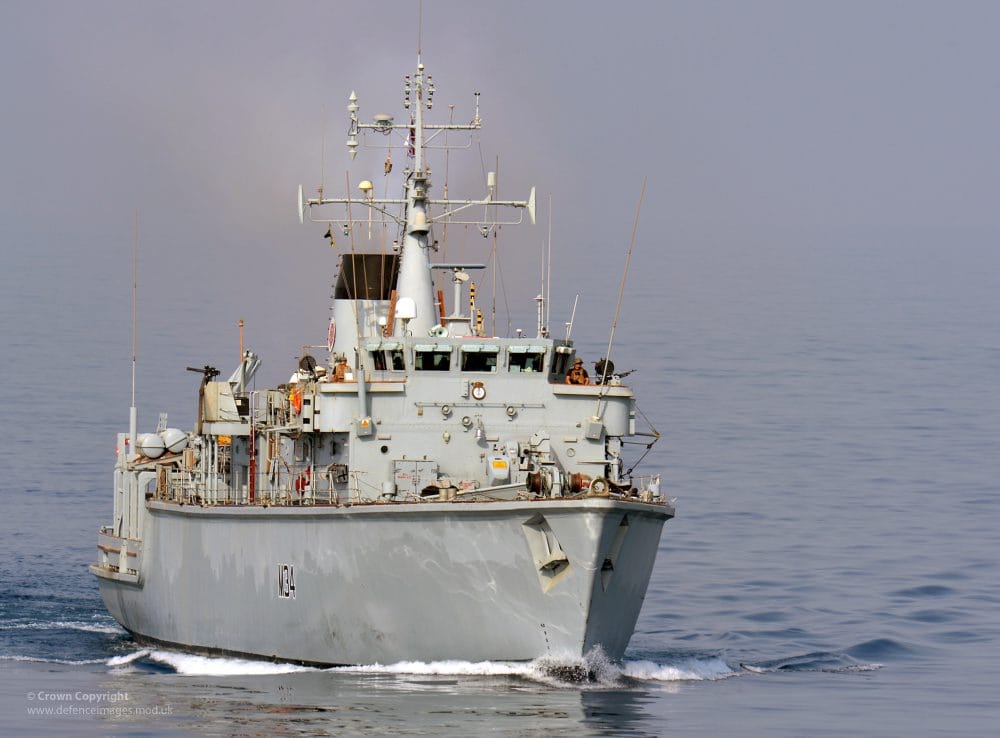
Iranian forces are believed to have thousands of sea mines. The Institute for the Study of War estimates Iran holds roughly 5,000 to 6,000 mines. The most common conventional mine, Maham-1, can be moored or drifted and detonates a 120-kilogram charge when contact is made. A second type, Maham-2, is designed to lie on the seabed and trigger due to engine noise or a magnetic signature.
The Wall Street Journal has reported that Iran could use informal militias or small boats to deploy mines, complicating detection and removal for the U.S. Navy and increasing the odds that a mine could go unnoticed for some time.
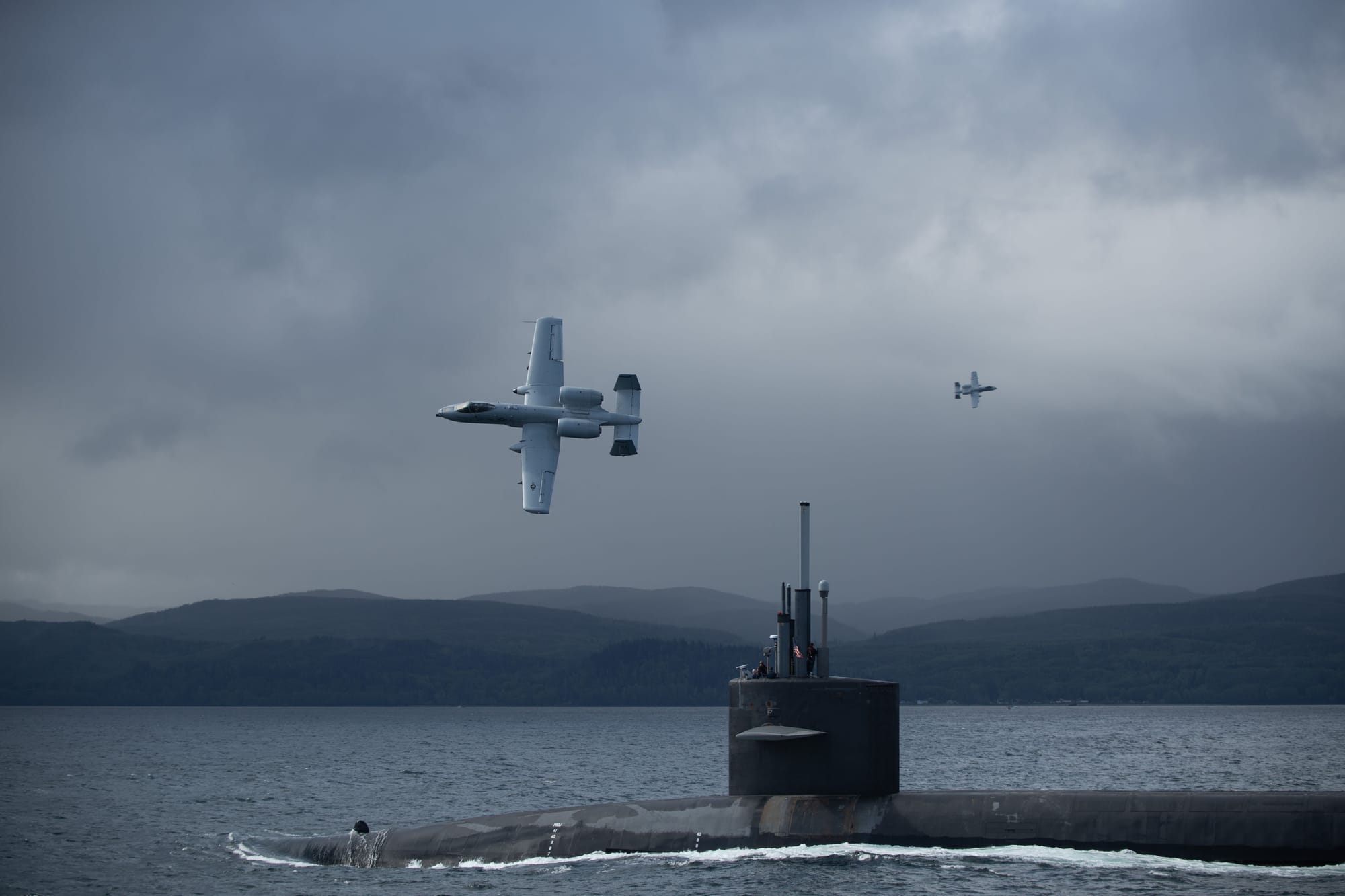
Analysts caution that even with naval escort, fully protecting transit through Hormuz is unlikely. Clinton Hinote, a retired Air Force general who advised on Iran-related defense planning, told the New York Times that the strait’s narrowness and the vulnerability of civilian ships to rocket or small-boat attacks mean the United States would likely only mitigate risk rather than completely prevent attacks. He said a comprehensive safeguard could require large-scale ground forces near Iran, a choice with significant strategic and political costs.
For U.S. readers, the stakes extend beyond Korea. Hormuz sits at the heart of global energy markets, and a disruption could ripple through oil prices, fuel costs, and inflation, affecting everything from transportation to manufacturing. The United States has strong strategic interests in maintaining open sea lanes, safeguarding energy security, and stabilizing the broader Middle East region. Markets would likely respond to even the possibility of prolonged disruption, with implications for energy policy, defense budgeting, and international diplomacy.